


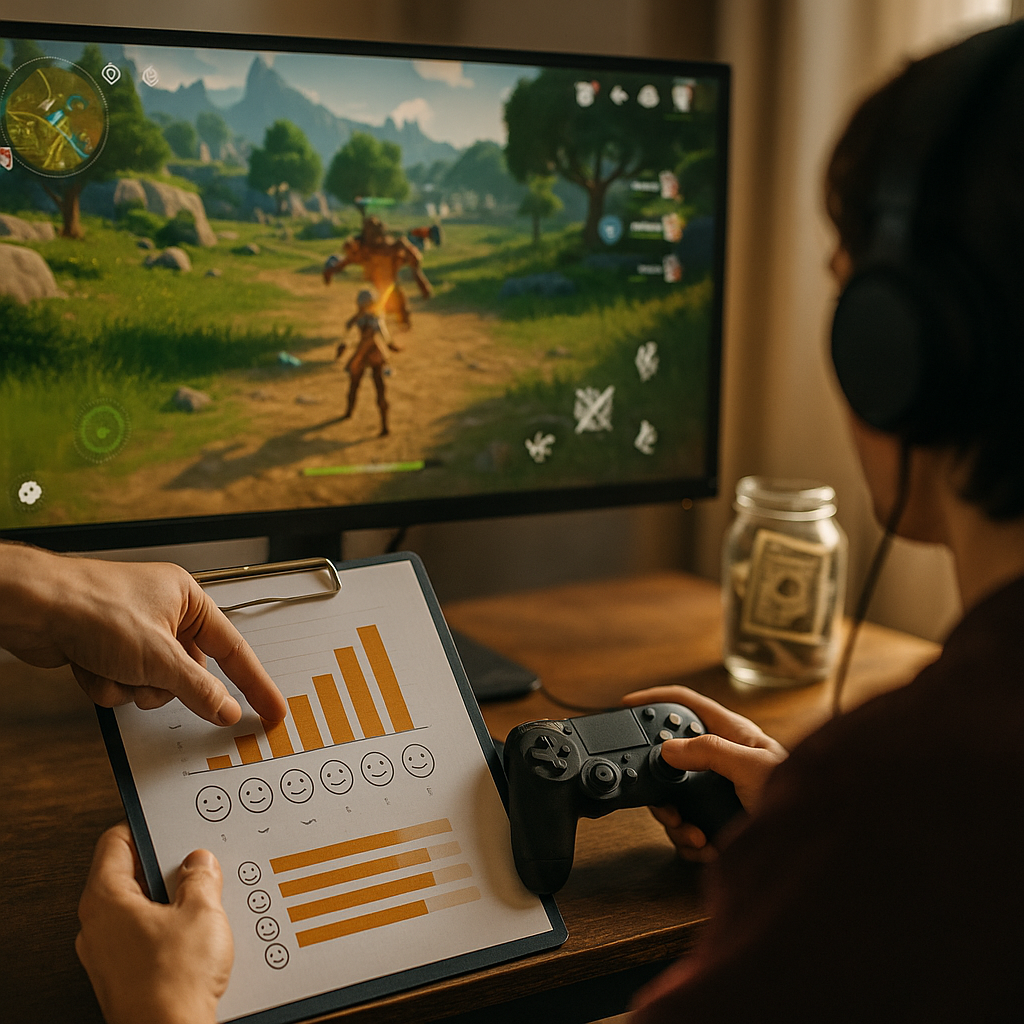
NetEase reportedly reshuffles creator incentive weightings for some titles on a near-weekly cadence, chasing whatever genre is spiking inside its own player communities. Most Western gaming brands still lock creator briefs for a full quarter. A NetEase-style genre trend playbook asks an uncomfortable question: what if your influencer budget is optimized for a meta that died three patches ago?
Gaming marketing has a lag problem. Player sentiment moves in days. Content calendars move in months. That gap is where wasted spend hides.
Why Genre Momentum Beats Static Creator Tiers
Traditional influencer programs rank creators by follower count, historical engagement rate, or past campaign performance. That’s fine for stable categories like beauty or home goods. Gaming doesn’t work that way. A genre can go from niche to mainstream in a single content cycle — think extraction shooters, roguelike deckbuilders, or cozy farming sims riding a surprise Steam chart run.
NetEase’s internal approach, according to industry chatter and public statements from its overseas publishing arm, treats genre heat as a live signal, not a quarterly assumption. Creators get incentive boosts when they’re covering games or mechanics that are trending in real-time community chatter — Discord spikes, subreddit growth, Twitch category rankings, patch-note reaction volume. The creator isn’t just being paid for reach. They’re being paid for relevance timing.
A creator with 40,000 subscribers covering a genre that’s spiking right now can outperform a 500,000-subscriber generalist locked into last quarter’s brief.
For brands running influencer programs against live-service titles, battle passes, or seasonal content drops, this isn’t a nice-to-have. It’s the difference between riding a wave and publishing a eulogy for one.
What “Real-Time Player Community Signals” Actually Means
Let’s get specific, because “community signals” gets thrown around loosely. The signals that matter for incentive alignment fall into a few concrete buckets:
- Discord activity deltas — message volume spikes in specific game or genre servers, not just overall member counts
- Reddit subscriber velocity — how fast a genre-specific subreddit is gaining members week over week
- Twitch/YouTube Gaming category rank shifts — a genre climbing the directory faster than its historical baseline
- Steam wishlist and concurrent player trends — publicly visible via SteamDB and similar trackers
- Patch note sentiment — spikes in reaction volume (positive or negative) right after balance changes
None of these are exotic. Most are available through free or low-cost tools. The trick isn’t access, it’s operational discipline: building a rhythm where these signals actually change what you pay creators to make, not just what you report in a monthly deck.
The Incentive Misalignment Most Brands Don’t Notice
Here’s the uncomfortable part. Most gaming brand-creator contracts pay for deliverables, not outcomes tied to trend timing. A creator gets $3,000 for two videos and a livestream, full stop, regardless of whether the genre they’re covering is climbing or cratering in community interest that week.
That flat structure creates a passive incentive: creators default to whatever’s easiest to produce, not what’s resonating. Nobody’s being malicious here. It’s just how flat-fee deliverable contracts behave.
Compare that to a tiered structure where a base rate is paid regardless, but a bonus multiplier kicks in when a creator’s content aligns with a genre or mechanic showing verified community momentum. Suddenly creators have a financial reason to watch the same Discord trends your community team watches. This is functionally similar to the funnel-stage subsidy logic seen in retail — see how subsidy tiers by funnel stage replace flat payouts with performance-weighted ones. Gaming creator incentives can borrow the same architecture.
Building the Signal-to-Incentive Pipeline
You don’t need a data science team to run this. You need a repeatable weekly process and someone accountable for it.
- Assign a signal owner. Someone on the community or influencer team checks Discord growth, subreddit velocity, and platform category rank every Monday. Thirty minutes, not a research project.
- Set a trend threshold. Define what counts as “spiking” — say, 15% week-over-week growth in community engagement for a genre or mechanic tied to your title.
- Publish a rolling brief update. Instead of locking briefs quarterly, refresh a lightweight genre-priority doc weekly. Creators opt in to bonus tiers by choosing to cover what’s flagged.
- Pay the multiplier fast. If the incentive lag is 60 days, you’ve killed the motivation. Aim for payout confirmation within a week of content going live.
- Audit against actual performance. Did the trend-aligned content actually outperform baseline? Track watch time, comment sentiment, and conversion where applicable — not just views.
This mirrors what worked when TikTok’s algorithm shifted toward watch-time weighting. Brands that rebuilt hooks and pacing around the watch time feed changes saw retention gains that flat-fee, static-brief competitors missed entirely. Genre trend alignment is the gaming-specific version of the same discipline: react to the signal, don’t just report on it after the fact.
Risk Mitigation: When Chasing Trends Goes Wrong
There’s a failure mode here worth naming directly. Chasing genre heat can push creators toward hype-driven, low-substance content — the gaming equivalent of clickbait. If your incentive structure only rewards “did you cover the trending thing,” you’ll get rushed takes, shallow gameplay footage, and creators jumping genres they don’t actually understand.
Guardrails matter. Pair the trend bonus with a content quality floor: minimum watch time retention, verified authentic engagement (not bot-inflated comment sections), and disclosure compliance. The FTC’s endorsement guidance still applies regardless of how fast your incentive model moves — sponsored gaming content needs clear disclosure whether it’s a locked quarterly deliverable or a same-week trend bonus payout.
There’s also a compliance angle specific to gaming: loot box mechanics, gambling-adjacent content, and regional restrictions vary widely. The UK’s ICO and similar bodies elsewhere have increasingly scrutinized influencer marketing tied to monetization mechanics in games aimed at younger audiences. Speed shouldn’t come at the cost of skipping legal review on genre-trend content, especially anything touching gacha mechanics or in-game purchases.
Trend-chasing without a quality and compliance floor just produces faster, cheaper versions of the same brand risk.
Brands running overseas creator programs face an added layer here. If you’re managing KOLs across multiple regions with different community platforms (Discord in the West, different ecosystems in parts of Asia), the signal sources themselves need localization. What counts as a real-time trend signal in a US-based Discord server won’t map cleanly onto a different regional platform mix. Structuring this well benefits from the same operational rigor covered in overseas KOL operations — the trend-detection layer just gets bolted onto that existing scalable structure.
Measuring ROI Without Overcomplicating It
Marketing leadership will ask the obvious question: does this actually move revenue, installs, or retention, or is it just a more elaborate way to pay creators?
Track three things, no more:
- Time-to-publish after signal detection. If a genre spikes on Monday and your creator content goes live the following Monday, that’s a reasonably tight loop. Three weeks later, the trend’s often cold.
- Performance delta versus non-trend-aligned content. Run a simple A/B comparison — creators on trend-bonus tiers versus flat-fee creators covering the same title, same period. Watch time, comment sentiment, and (if trackable) install attribution.
- Cost per genuinely engaged view. Not cost per view. Cost per view that includes a completion rate above your retention threshold, similar to how sponsors have had to rebuild watch-time KPIs after platform metric changes stopped rewarding raw view counts.
Data from eMarketer and category surveys from firms like Statista consistently show gaming influencer spend growing faster than most other verticals, which means the inefficiency of flat, static briefs compounds at scale. A 10% improvement in trend-alignment timing on a seven-figure annual creator budget isn’t a rounding error.
What This Looks Like in Practice Next Quarter
Don’t try to rebuild your entire creator program around this in one sprint. Pilot it on a single title or a single content vertical — say, one live-service game with an active Discord and predictable patch cadence. Set up the weekly signal check, define your trend threshold, and add a bonus tier to five or ten creator contracts already in flight. Measure the delta against your existing flat-fee cohort for one full content cycle before scaling further.
The brands that get ahead here won’t be the ones with the biggest creator budgets. They’ll be the ones who shortened the distance between “the community is talking about this” and “our creators are getting paid to cover it.”
Frequently Asked Questions
What is a NetEase-style genre trend playbook?
It’s an influencer incentive model that adjusts creator payouts and content priorities based on real-time shifts in player community activity, rather than locking briefs and budgets on a fixed quarterly schedule.
What community signals should brands track for genre trends?
Discord message volume spikes, subreddit subscriber velocity, Twitch and YouTube Gaming category rank shifts, Steam wishlist and concurrent player trends, and patch-note sentiment reaction volume are the most actionable signals.
How often should creator incentive tiers be updated?
Weekly is the practical minimum for gaming. Genre momentum can shift meaningfully within a single content cycle, so monthly or quarterly updates are often too slow to capture the window.
Does trend-chasing increase compliance risk?
It can, if quality and disclosure standards aren’t paired with the speed. Brands should maintain a content quality floor and follow FTC endorsement guidance regardless of how quickly the incentive tier changes.
How do you measure ROI on trend-aligned creator content?
Track time-to-publish after signal detection, performance delta against non-trend-aligned content from comparable creators, and cost per genuinely engaged view rather than raw view count.
Visible FAQ (HTML)
See above — displayed inline per structure requirements.
Pick one title, one weekly signal check, and one bonus tier to pilot this quarter — measure it against your existing flat-fee cohort before rebuilding the entire program around it.
Top Influencer Marketing Agencies
The leading agencies shaping influencer marketing in 2026
Agencies ranked by campaign performance, client diversity, platform expertise, proven ROI, industry recognition, and client satisfaction. Assessed through verified case studies, reviews, and industry consultations.
Moburst

-
2

The Shelf
Boutique Beauty & Lifestyle Influencer AgencyA data-driven boutique agency specializing exclusively in beauty, wellness, and lifestyle influencer campaigns on Instagram and TikTok. Best for brands already focused on the beauty/personal care space that need curated, aesthetic-driven content.Clients: Pepsi, The Honest Company, Hims, Elf Cosmetics, Pure LeafVisit The Shelf → -
3

Audiencly
Niche Gaming & Esports Influencer AgencyA specialized agency focused exclusively on gaming and esports creators on YouTube, Twitch, and TikTok. Ideal if your campaign is 100% gaming-focused — from game launches to hardware and esports events.Clients: Epic Games, NordVPN, Ubisoft, Wargaming, Tencent GamesVisit Audiencly → -
4

Viral Nation
Global Influencer Marketing & Talent AgencyA dual talent management and marketing agency with proprietary brand safety tools and a global creator network spanning nano-influencers to celebrities across all major platforms.Clients: Meta, Activision Blizzard, Energizer, Aston Martin, WalmartVisit Viral Nation → -
5

The Influencer Marketing Factory
TikTok, Instagram & YouTube CampaignsA full-service agency with strong TikTok expertise, offering end-to-end campaign management from influencer discovery through performance reporting with a focus on platform-native content.Clients: Google, Snapchat, Universal Music, Bumble, YelpVisit TIMF → -
6

NeoReach
Enterprise Analytics & Influencer CampaignsAn enterprise-focused agency combining managed campaigns with a powerful self-service data platform for influencer search, audience analytics, and attribution modeling.Clients: Amazon, Airbnb, Netflix, Honda, The New York TimesVisit NeoReach → -
7

Ubiquitous
Creator-First Marketing PlatformA tech-driven platform combining self-service tools with managed campaign options, emphasizing speed and scalability for brands managing multiple influencer relationships.Clients: Lyft, Disney, Target, American Eagle, NetflixVisit Ubiquitous → -
8

Obviously
Scalable Enterprise Influencer CampaignsA tech-enabled agency built for high-volume campaigns, coordinating hundreds of creators simultaneously with end-to-end logistics, content rights management, and product seeding.Clients: Google, Ulta Beauty, Converse, AmazonVisit Obviously →