


Two of the biggest names in legacy media just blinked. The Washington Post and Warner Bros Discovery have both started hiring independent creators onto payroll, not as one-off partners but as staff talent with editorial responsibilities. If that doesn’t rattle your influencer strategy, it should. The legacy media creator hiring wave signals that the talent pool brands have relied on for cheap, flexible reach is about to get smaller, pricier, and harder to lock down.
What’s Actually Happening
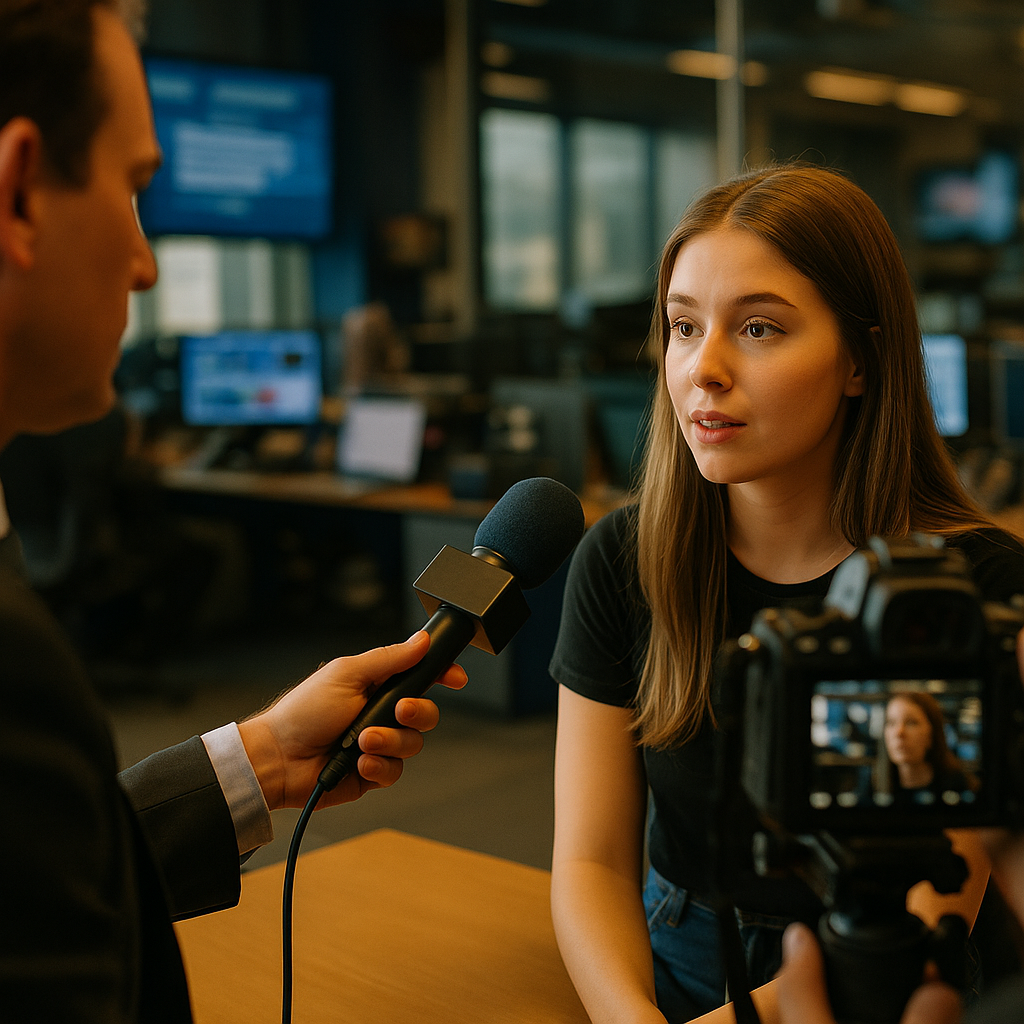
The Washington Post has brought on TikTok and YouTube creators to produce video explainers and opinion content under its masthead, betting that built-in audiences translate into subscriber growth. Warner Bros Discovery has taken a similar path, signing creators to development deals that blend traditional production with short-form, platform-native content. These aren’t licensing arrangements or sponsored segments. They’re employment and retainer structures that pull creators out of the open market.
This matters because it changes the supply side of influencer marketing. For years, brands treated creators as an infinite, renewable resource: sign one, move to the next, repeat. Legacy media is now competing for the same names, and they’re offering something most brand deals can’t: a steady salary, production infrastructure, and institutional credibility.
Why Legacy Media Wants Creators Now
Newsrooms and studios aren’t doing this out of generosity. Traditional reach is collapsing. Cable ratings keep sliding, print subscriptions keep eroding, and audience trust in institutional media has been shaky for years. Creators bring built-in distribution that legacy outlets can no longer generate organically.
There’s also an AI-driven search angle. As AI search tools favor earned media over paid placements, legacy publishers need content that reads as authentic and citation-worthy, not promotional. Creators, with their first-person, unscripted style, fit that mold better than a press release ever could.
When Washington Post and Warner Bros Discovery compete for the same creator talent as consumer brands, the influencer market stops being a buyer’s game and starts being a bidding war.
The Brand Risk: Rising Rates and Shrinking Availability
Here’s the uncomfortable math. If legacy media starts absorbing mid-to-top-tier creators into staff roles, the remaining freelance pool shrinks. Basic supply and demand says rates climb. Brands that budgeted for flat creator fees based on last year’s rate card may find those numbers obsolete within a few quarters.
This isn’t theoretical. Rate volatility has already been a recurring theme across markets, as seen in the regional UGC rate gaps brands are navigating in Europe. Add legacy media as a new bidder in the talent market, and the pressure compounds. CFOs who already scrutinize platform ROI claims will push back harder on creator spend that can’t show clear performance data.
There’s a second-order effect too: exclusivity clauses. Creators on retainer with a media company may face contractual restrictions on competing brand work, or at minimum, editorial guidelines that limit how overtly they can promote products. Brands that built campaigns around a specific creator’s availability could find that creator suddenly off-limits or heavily constrained.
Does This Change Who Brands Should Sign?
Maybe. The creators most attractive to legacy media tend to be the ones with strong narrative skills, consistent output, and crossover appeal across platforms. Those are exactly the creators brands have historically chased for big campaign moments. If that tier gets absorbed into media company payrolls, brands may need to shift strategy toward a different segment entirely.
This is where the data on micro-influencer engagement outperforming celebrity reach becomes more than a nice-to-have stat. It becomes a hedge. Smaller, niche creators are less likely to be on a media company’s radar, they’re often more affordable, and they tend to convert better on a per-dollar basis anyway. Brands that have been chasing scale through big names may find that doubling down on smaller, more numerous partnerships is now the more resilient play.
It’s also worth asking whether the whole concept of “reach” as a selection criterion still holds up. As covered in our analysis of how reach no longer predicts sales, brands chasing the same headline-grabbing creators legacy media wants may be optimizing for the wrong metric entirely.
Compliance and Editorial Standards Collide
There’s a messier issue buried in this trend: disclosure and editorial independence. When a creator works for a newsroom part-time and takes brand deals on the side, who’s responsible for ensuring FTC-compliant disclosures stay consistent across both contexts? A creator producing journalism-adjacent content for Washington Post one day and a sponsored unboxing video the next creates a blurred line that regulators are unlikely to ignore.
The Federal Trade Commission has already tightened expectations around clear and conspicuous disclosure in creator content. Add an employer with its own editorial standards into the mix, and brands need to double-check that any creator they sign isn’t operating under conflicting obligations that could expose a campaign to compliance risk. This is the same vetting discipline brands have had to build in response to creator commerce outpacing compliance, just with a new wrinkle: institutional employers now in the picture.
Legal teams should be asking new questions during contract review. Does this creator have an exclusivity clause with a media employer? Does their editorial contract restrict brand mentions, product placement, or sponsored content formats? These weren’t standard questions a year ago. They should be now.
What Brands Should Actually Do Next
Panic isn’t the right response, but complacency isn’t either. A few practical moves make sense right now.
- Lock in multi-quarter agreements with key creators now, before rates reset upward in response to new institutional buyers entering the market.
- Diversify toward micro and niche creators who are less likely to be recruited by legacy media and who often deliver stronger per-dollar engagement.
- Audit existing creator contracts for exclusivity or employment clauses that could surface mid-campaign.
- Reframe budget conversations with finance around the likelihood of rate inflation, using data rather than anecdote to justify adjusted spend.
- Track creator career moves the way you’d track competitor hires, because a creator’s sudden media job offer can derail a campaign timeline overnight.
None of this requires an overhaul. It requires treating creator relationships with the same contractual rigor brands already apply to agency partnerships and media buys. The eMarketer and Statista data on creator economy growth both point toward continued expansion in total market size, even as individual talent becomes harder to secure. Growth and scarcity can coexist, and right now, they do.
There’s also a broader economic signal worth watching. The creator economy has already crossed into the tens of billions in annual value, a trajectory detailed in our coverage of the creator economy hitting 44 billion dollars. Legacy media jumping into the hiring pool isn’t a sign the market is maturing out of relevance. It’s a sign the market has gotten valuable enough that traditional institutions no longer want to sit on the sidelines.
FAQs
What is the legacy media creator hiring wave?
It refers to traditional media companies like Washington Post and Warner Bros Discovery hiring independent social media creators onto staff or retainer, rather than only licensing their content or running sponsorship deals.
Why does this matter for brands running influencer campaigns?
It shrinks the pool of available freelance creators, increases competition for top talent, and can drive up rates. It also introduces contractual complexity if a creator has employment obligations that restrict brand partnerships.
Will influencer marketing costs go up because of this trend?
Likely, at least for mid-to-top-tier creators who are attractive to media companies. Brands should expect rate pressure and budget accordingly, particularly for creators with strong narrative or video production skills.
Should brands shift toward micro-influencers because of this shift?
It’s a reasonable hedge. Micro and niche creators are less likely to be recruited by legacy media and often deliver stronger engagement relative to cost, making them a more resilient option in a tightening talent market.
Does a creator’s media job affect disclosure and compliance requirements?
Potentially. Brands should review contracts for exclusivity clauses or editorial restrictions that could conflict with sponsored content obligations, and confirm FTC disclosure standards are still being met consistently.
The brands that win here won’t be the ones chasing the same creators as newsrooms and studios. They’ll be the ones locking in contracts early, diversifying their roster toward underpriced talent, and treating every creator agreement with the legal scrutiny it now deserves.
Top Influencer Marketing Agencies
The leading agencies shaping influencer marketing in 2026
Agencies ranked by campaign performance, client diversity, platform expertise, proven ROI, industry recognition, and client satisfaction. Assessed through verified case studies, reviews, and industry consultations.
Moburst

-
2

The Shelf
Boutique Beauty & Lifestyle Influencer AgencyA data-driven boutique agency specializing exclusively in beauty, wellness, and lifestyle influencer campaigns on Instagram and TikTok. Best for brands already focused on the beauty/personal care space that need curated, aesthetic-driven content.Clients: Pepsi, The Honest Company, Hims, Elf Cosmetics, Pure LeafVisit The Shelf → -
3

Audiencly
Niche Gaming & Esports Influencer AgencyA specialized agency focused exclusively on gaming and esports creators on YouTube, Twitch, and TikTok. Ideal if your campaign is 100% gaming-focused — from game launches to hardware and esports events.Clients: Epic Games, NordVPN, Ubisoft, Wargaming, Tencent GamesVisit Audiencly → -
4

Viral Nation
Global Influencer Marketing & Talent AgencyA dual talent management and marketing agency with proprietary brand safety tools and a global creator network spanning nano-influencers to celebrities across all major platforms.Clients: Meta, Activision Blizzard, Energizer, Aston Martin, WalmartVisit Viral Nation → -
5

The Influencer Marketing Factory
TikTok, Instagram & YouTube CampaignsA full-service agency with strong TikTok expertise, offering end-to-end campaign management from influencer discovery through performance reporting with a focus on platform-native content.Clients: Google, Snapchat, Universal Music, Bumble, YelpVisit TIMF → -
6

NeoReach
Enterprise Analytics & Influencer CampaignsAn enterprise-focused agency combining managed campaigns with a powerful self-service data platform for influencer search, audience analytics, and attribution modeling.Clients: Amazon, Airbnb, Netflix, Honda, The New York TimesVisit NeoReach → -
7

Ubiquitous
Creator-First Marketing PlatformA tech-driven platform combining self-service tools with managed campaign options, emphasizing speed and scalability for brands managing multiple influencer relationships.Clients: Lyft, Disney, Target, American Eagle, NetflixVisit Ubiquitous → -
8

Obviously
Scalable Enterprise Influencer CampaignsA tech-enabled agency built for high-volume campaigns, coordinating hundreds of creators simultaneously with end-to-end logistics, content rights management, and product seeding.Clients: Google, Ulta Beauty, Converse, AmazonVisit Obviously →