


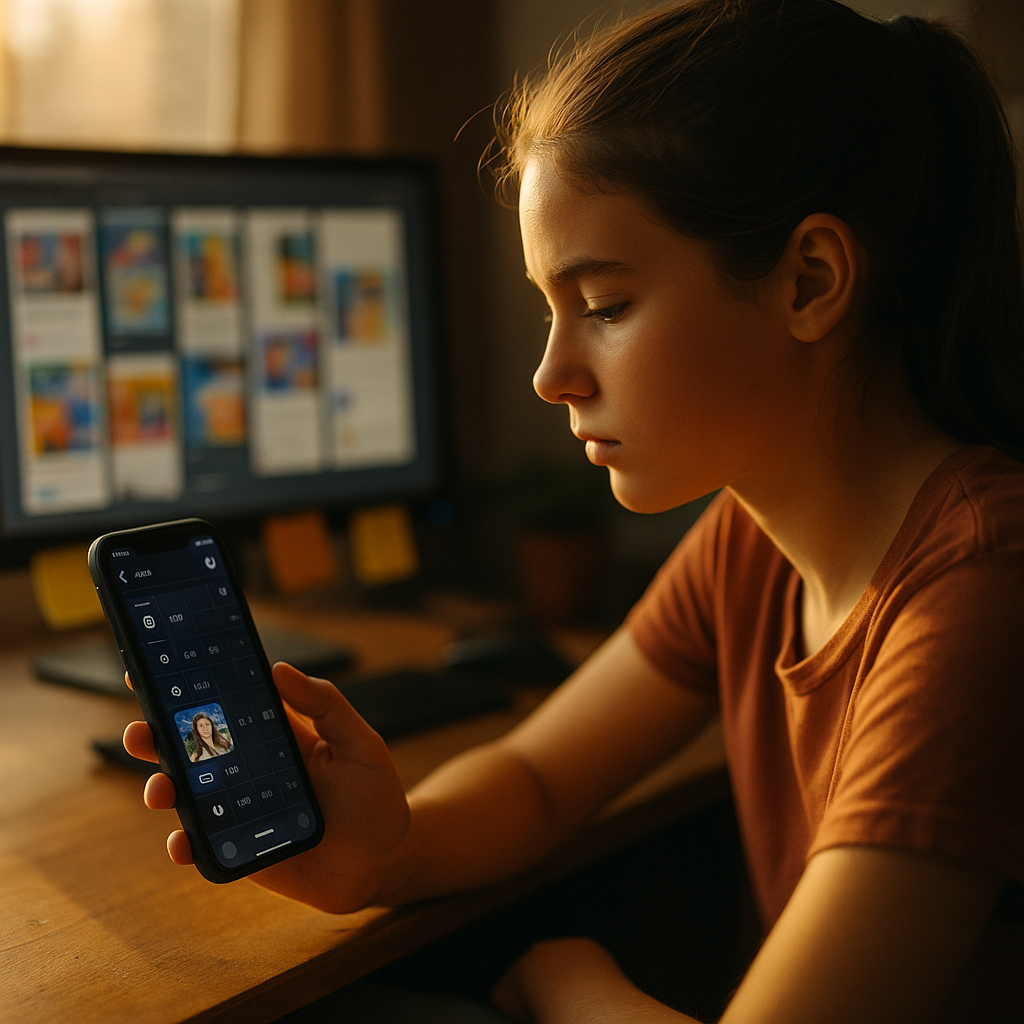
Roughly nine hours a day. That’s how much scheduling real estate brands running teen-adjacent campaigns just lost across major platforms, once you stack night-mode blocks on top of school-hour notification silencing. If your media plan still treats a 24-hour day as fully biddable inventory, you’re already bleeding budget into windows nobody under 18 will ever see. Teen-adjacent ad scheduling isn’t a compliance footnote anymore. It’s a full rebuild.
The Regulatory Squeeze Behind the Scheduling Overhaul
Platforms didn’t wake up one morning and decide to protect kids out of the goodness of their product teams’ hearts. Regulators forced the issue. Between state-level social media laws in the US, the UK’s Online Safety Act enforcement pushed by the Information Commissioner’s Office, and ongoing scrutiny from the Federal Trade Commission, Meta, TikTok, and Snapchat all rolled out default protections for minors that reshape when notifications, autoplay, and ad delivery actually reach a teen device.
We’ve covered pieces of this shift already. The Meta teen two-hour cap forced brands to rethink daily reach frequency, and Instagram’s teen feed changes already gutted a chunk of algorithmic discovery. Night-mode blocks and school-hour silencing are the next layer, and they hit scheduling specifically, not just feed composition or session length.
What Counts as “Teen-Adjacent” Inventory Now?
This is where a lot of media buyers get tripped up. “Teen-adjacent” doesn’t mean campaigns explicitly targeted at users under 18. It means any inventory where platform age-signal data suggests a meaningful share of the audience skews 13 to 17, even if your targeting parameters say 18 to 34.
Think about it: a skincare brand targeting “18 to 24, interested in beauty” is going to serve into placements that overlap heavily with 16 and 17 year olds who’ve been misclassified, or who simply share device and viewing patterns with older siblings. Platforms now apply night-mode and school-hour restrictions based on probabilistic age signals, not just self-reported birthdates. That means brands with zero intent to reach minors are still getting swept into the restricted scheduling bucket.
Platforms are no longer restricting ad delivery based on who you say you’re targeting. They’re restricting based on who the algorithm thinks is actually watching, which means teen-adjacent scheduling rules now apply to campaigns that never mentioned teens at all.
Night-Mode Blocks: What Brands Actually Lose
Night-mode blocks silence push notifications and, on most platforms, pause active ad delivery to accounts flagged as likely minors between roughly 9pm and 7am local time. Instagram and TikTok both extended these windows recently, and Snapchat followed with a similar default for Spotlight-adjacent accounts.
For brands, the practical loss is threefold:
- Evening engagement windows disappear. Historically, teen-skewing categories (gaming, fast fashion, beauty, snacks) saw their strongest engagement between 8pm and midnight. That window is now largely dark for flagged accounts.
- Retargeting sequences break. A user who clicked an ad at 6pm but converts at 10pm won’t get the retargeting nudge, because the notification never fires.
- Creator posting cadence gets scrambled. Livestream drops and countdown promotions timed for peak evening attention, the kind of tactics covered in countdown drop playbooks, now underperform if a meaningful chunk of the audience is asleep-mode by algorithm decree, not by choice.
The fix isn’t to fight the block. It’s to stop scheduling as if it doesn’t exist.
School-Hour Silencing and the New Dead Zones
The second half of the puzzle is quieter but arguably more disruptive to always-on campaigns: default notification silencing during typical school hours, generally 8am to 3pm on weekdays, applied automatically to accounts flagged as school-age. Meta rolled this out platform-wide, TikTok followed for accounts under a certain confidence threshold, and even YouTube’s notification layer now respects a similar default for teen-classified viewers.
This creates a genuinely new problem: a six-to-seven-hour weekday dead zone, five days a week, stacked on top of the overnight block. Do the math and you get roughly 15 hours out of every 24 where a teen-adjacent account simply isn’t reachable through push, and ad delivery pacing on several platforms now follows suit.
Between night-mode blocks and school-hour silencing, teen-adjacent accounts are functionally reachable for about nine hours a day. Campaigns built on 24-hour delivery assumptions are wasting a third to half their scheduled spend on windows that never fire.
Brands running always-on TikTok Shop or Instagram Shop campaigns need to recheck delivery reports, not assumptions. eMarketer data on teen media consumption patterns already showed a shift toward compressed after-school and weekend windows even before these platform changes; the new defaults just made that compression official and enforced at the system level.
Rebuilding the Media Plan Around the Gaps
Here’s the practical playbook, and it’s less about clever workarounds than honest recalibration.
- Remap dayparting to the surviving windows. The realistic teen-adjacent reach windows are now roughly 3pm to 9pm on weekdays and a broader stretch on weekends. Concentrate spend there instead of spreading it evenly.
- Frontload creative discovery, not notification-dependent tactics. Organic and algorithmic discovery (For You feed placement, Shorts recommendations) still functions during silenced hours, even if push notifications don’t. Lean on formats that don’t rely on a ping to drive action, similar to the structural shift discussed in TikTok’s watch time algorithm changes.
- Shift retargeting logic to delayed windows. If a click happens at 10am on a school day, don’t schedule the retargeting nudge for noon. Queue it for the 3pm to 4pm reopening window when notifications actually resume.
- Rebalance platform mix. Some platforms weathered this shift better than others depending on how they classify age signals. Revisit your split using a framework like the one in matching format to funnel stage before locking next quarter’s budget.
- Loop in your legal and trust teams early. Scheduling decisions now carry compliance weight. Document your dayparting logic so it holds up if a regulator or platform audit asks why campaigns are concentrated in specific hours.
Measurement Headaches: Attribution When the Clock Works Against You
Attribution models built on 24-hour click-to-conversion windows are going to misfire. If a teen sees an ad at 4pm, engages emotionally, but the actual purchase (often through a parent’s card) happens at 8pm after the night-mode block has already silenced follow-up prompts, standard last-click models will undercount the influence entirely.
Brands should extend attribution windows for teen-adjacent campaigns specifically, and pair platform reporting with third-party verification. Tools tracked by Sprout Social and similar analytics platforms can help reconcile the gap between impression timestamps and conversion timestamps, which now diverge more than they used to because of these enforced silences.
It’s also worth revisiting creator brief timing. If your influencer partners are still posting on a schedule optimized for pre-restriction engagement patterns, you’re compounding the problem. The autoplay and reach changes covered in Meta’s teen autoplay cap rebuild apply here too: creative built for passive scroll-through no longer gets the same runway during restricted hours, so the posting window matters as much as the content itself.
What This Means for Budget Allocation
Don’t panic-cut teen-adjacent spend. Panic-cutting ignores the fact that the audience is still there, just concentrated into fewer hours. The smarter move is consolidating budget into the surviving windows rather than spreading thin across a 24-hour clock that no longer reflects reality.
Run the numbers: if effective reach hours dropped from 24 to roughly 9, and you haven’t adjusted daily budget pacing, your cost per reachable impression has effectively tripled without anyone noticing on a top-line dashboard. That’s the quiet budget leak most teams haven’t caught yet. Check pacing reports this week, not next quarter.
The takeaway is simple: audit your dayparting settings against actual notification and delivery restrictions this week, reallocate spend into the compressed reach windows, and stop measuring teen-adjacent campaigns on a 24-hour clock that platforms themselves no longer honor.
Frequently Asked Questions
What is night-mode blocking in teen-adjacent ad scheduling?
Night-mode blocking refers to platform defaults, now standard on Instagram, TikTok, and Snapchat, that pause push notifications and often ad delivery to accounts flagged as likely minors during overnight hours, typically 9pm to 7am local time.
How does school-hour notification silencing affect ad delivery?
Platforms now silence notifications to teen-classified accounts during typical school hours, roughly 8am to 3pm on weekdays. This means retargeting nudges, promotional pings, and some ad delivery pacing pause during that window, creating a predictable daily dead zone.
How can brands tell if their campaign is being treated as teen-adjacent?
Check platform delivery reports for age-bracket breakdowns and flagged account percentages. If a meaningful share of impressions falls into the 13 to 17 probabilistic bracket, even with broader targeting parameters, your campaign is subject to these scheduling restrictions.
Should brands stop advertising during restricted hours entirely?
Yes, for teen-adjacent segments specifically. Spending against hours when notifications and delivery are suppressed wastes budget. Reallocate that spend into the compressed windows, roughly 3pm to 9pm on weekdays and broader stretches on weekends, where delivery actually functions.
Do these restrictions apply to organic creator content too?
Partially. Organic discovery through recommendation feeds generally continues during restricted hours, but push notifications alerting followers to new posts do not fire. Creators should time posts for peak discoverability rather than notification-driven traffic during these windows.
Top Influencer Marketing Agencies
The leading agencies shaping influencer marketing in 2026
Agencies ranked by campaign performance, client diversity, platform expertise, proven ROI, industry recognition, and client satisfaction. Assessed through verified case studies, reviews, and industry consultations.
Moburst

-
2

The Shelf
Boutique Beauty & Lifestyle Influencer AgencyA data-driven boutique agency specializing exclusively in beauty, wellness, and lifestyle influencer campaigns on Instagram and TikTok. Best for brands already focused on the beauty/personal care space that need curated, aesthetic-driven content.Clients: Pepsi, The Honest Company, Hims, Elf Cosmetics, Pure LeafVisit The Shelf → -
3

Audiencly
Niche Gaming & Esports Influencer AgencyA specialized agency focused exclusively on gaming and esports creators on YouTube, Twitch, and TikTok. Ideal if your campaign is 100% gaming-focused — from game launches to hardware and esports events.Clients: Epic Games, NordVPN, Ubisoft, Wargaming, Tencent GamesVisit Audiencly → -
4

Viral Nation
Global Influencer Marketing & Talent AgencyA dual talent management and marketing agency with proprietary brand safety tools and a global creator network spanning nano-influencers to celebrities across all major platforms.Clients: Meta, Activision Blizzard, Energizer, Aston Martin, WalmartVisit Viral Nation → -
5

The Influencer Marketing Factory
TikTok, Instagram & YouTube CampaignsA full-service agency with strong TikTok expertise, offering end-to-end campaign management from influencer discovery through performance reporting with a focus on platform-native content.Clients: Google, Snapchat, Universal Music, Bumble, YelpVisit TIMF → -
6

NeoReach
Enterprise Analytics & Influencer CampaignsAn enterprise-focused agency combining managed campaigns with a powerful self-service data platform for influencer search, audience analytics, and attribution modeling.Clients: Amazon, Airbnb, Netflix, Honda, The New York TimesVisit NeoReach → -
7

Ubiquitous
Creator-First Marketing PlatformA tech-driven platform combining self-service tools with managed campaign options, emphasizing speed and scalability for brands managing multiple influencer relationships.Clients: Lyft, Disney, Target, American Eagle, NetflixVisit Ubiquitous → -
8

Obviously
Scalable Enterprise Influencer CampaignsA tech-enabled agency built for high-volume campaigns, coordinating hundreds of creators simultaneously with end-to-end logistics, content rights management, and product seeding.Clients: Google, Ulta Beauty, Converse, AmazonVisit Obviously →