


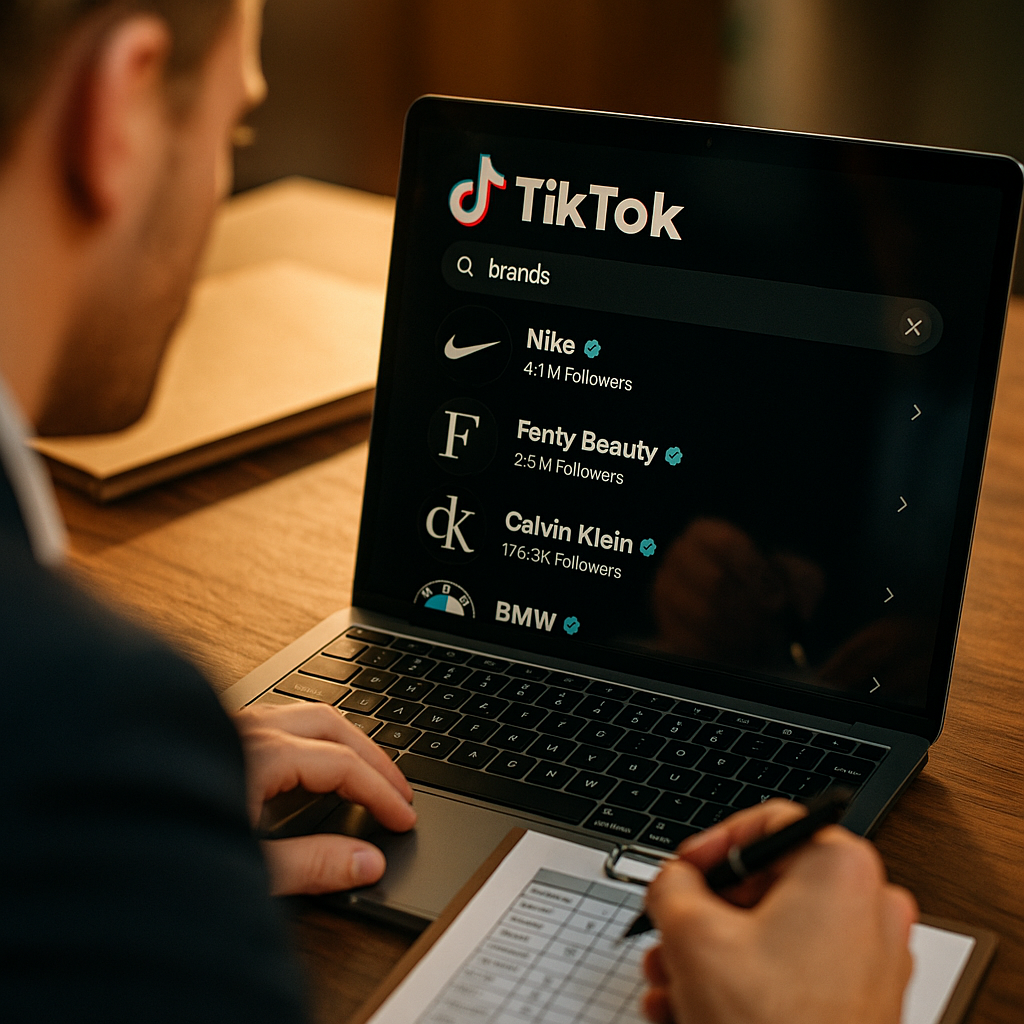
Seventy percent of TikTok’s recommendation weight now sits on trust signals that most brand vetting checklists still ignore. If your influencer shortlist is built on follower count and engagement rate alone, you’re optimizing for a platform that stopped existing months ago. The TikTok trust-based distribution algorithm has quietly rewritten who gets seen, and brands slow to adapt are bankrolling creators the algorithm has already benched.
What Changed, and Why It Matters to Your Media Plan
TikTok’s recommendation system has always been a black box. But internal signals surfaced through creator dashboards and agency tooling over the past two quarters point to a clear shift: the platform is prioritizing account-level trust scores over historical reach patterns. That score factors in completion consistency, report-to-view ratios, community feedback (not just likes, but “not interested” taps and blocks), and adherence to disclosure norms.
This isn’t a cosmetic tweak. It’s a structural change to how distribution gets allocated, and it follows a pattern we’ve already tracked in TikTok’s creator trust over volume update and the earlier trust-based distribution vetting rules. What’s new heading into 2027 is the scale of enforcement: TikTok is applying trust scoring retroactively, meaning creators with clean recent behavior but a messy posting history are still getting throttled.
For brands, that means your existing creator roster — vetted a year ago on reach and audience demographics — may already be underperforming without anyone noticing until the campaign report lands short.
A creator with 200,000 followers and a low trust score can now be outperformed in distribution by a 30,000-follower account with clean disclosure history and high rewatch rates. Reach no longer buys reach.
The Old Vetting Checklist Is Obsolete
Most brand safety checklists still ask three questions: how many followers, what’s the engagement rate, is the content brand-safe on its face. That’s a 2022 checklist running a 2027 campaign.
Here’s what actually predicts distribution now, based on pattern analysis across recent campaign data and TikTok’s own creator guidance:
- Completion rate consistency — not one viral hit, but a track record of videos that hold attention start to finish.
- Disclosure compliance history — creators who consistently and correctly flag paid partnerships get a trust premium; those who bury #ad get suppressed, sometimes across their entire catalog.
- Negative feedback ratio — “not interested” and hide/block rates per video, weighted more heavily than raw dislikes.
- Comment sentiment authenticity — TikTok’s classifier is increasingly good at spotting bought comments and engagement pods, similar to what we’ve seen documented in YouTube’s comment signal shift.
- Cross-video consistency — does the creator’s content niche stay coherent, or does it whipsaw between topics in a way that confuses the recommendation model?
None of these show up on a standard media kit. That’s the problem. Brands are still requesting media kits built for an algorithm that no longer exists.
Why This Is Actually Good News for Serious Programs
Here’s the part brands miss: trust-weighted distribution is a gift to anyone running a disciplined influencer program. It punishes the spray-and-pray affiliate networks and rewards the brands that have already invested in long-term creator relationships, clear FTC-compliant disclosure workflows, and content quality control.
If you’ve been doing influencer marketing right — proper contracts, consistent disclosure, creators who actually use your product — this update should improve your distribution, not hurt it. The brands panicking right now are the ones who treated creator marketing as a numbers game.
Restructuring Your Vetting Criteria: A Practical Framework
Rebuilding a vetting process mid-cycle is disruptive, but doing it now beats discovering the gap during a Q1 campaign postmortem. Here’s a working framework agencies are adopting:
- Audit trust signals before signing. Ask creators directly for their TikTok Creator Portal analytics, specifically completion rate and audience retention curves. If they won’t share it, that’s information too.
- Weight disclosure history as a hard filter, not a soft preference. A creator with a history of unclear #ad placement is a liability under both platform rules and FTC endorsement guidelines.
- Sample content across a 90-day window, not just the pitch reel. One great video means nothing if the surrounding 20 posts show declining completion rates.
- Check niche coherence. Creators who’ve pivoted content categories recently may be mid-reset with the algorithm, meaning unpredictable distribution regardless of past performance.
- Build in a trust-score reassessment clause. Multi-month retainers should include a checkpoint to confirm the creator’s distribution hasn’t quietly collapsed.
This is the same operational discipline we recommended when covering Instagram’s credibility-weighted distribution changes — the platforms are converging on trust as the core currency, and brands need one vetting muscle that flexes across all of them, not five separate playbooks.
What This Means for Budget Allocation
Trust scoring changes the math on where dollars go. Reach-based CPMs made sense when reach was a reliable proxy for exposure. Now, a mid-tier creator with strong trust signals can out-deliver a mega-influencer whose account is quietly throttled.
That argues for shifting budget toward performance-based and affiliate structures where you’re paying for outcomes, not follower counts. It’s the same logic driving interest in TikTok Shop’s affiliate leaderboard model: let the algorithm’s own trust weighting do some of the vetting work for you, and pay creators in proportion to what actually gets distributed and converts.
It also means smaller, more frequent contracts beat annual retainers. A creator’s trust score can shift in a single bad-disclosure cycle. Locking a year of budget to one creator without reassessment checkpoints is a bigger risk in 2027 than it was two years ago.
Where Brands Get This Wrong
The most common mistake: treating trust score as a binary pass/fail rather than a spectrum that interacts with content strategy. A creator can have a decent trust score and still underperform for your brief if the content format doesn’t match what’s earning distribution right now (see our coverage of how watch-time shifts are tanking old briefs). Vetting the creator is only half the job. The brief itself has to be built for a completion-rate-optimized algorithm, not a like-and-share one.
Second mistake: outsourcing vetting entirely to third-party influencer platforms without auditing their scoring methodology. Ask what data those platforms actually pull. Many still weight follower count and legacy engagement metrics because that’s what’s easiest to scrape, not because it’s what predicts distribution today. Firms like Sprout Social and eMarketer have both flagged this data lag in recent creator economy analysis — the tools haven’t fully caught up to platform behavior.
Compliance Is Now a Distribution Lever, Not Just a Legal Checkbox
This is the part legal and marketing teams need to align on fast. Disclosure compliance used to be purely a risk-mitigation function — get it wrong, face an FTC inquiry or an ICO complaint in UK markets. Now it’s a growth lever too. A creator with clean, consistent disclosure history gets more reach. Full stop.
That should change how brands brief creators. Disclosure language isn’t boilerplate to slap in the caption anymore; it’s a variable that affects whether the video gets seen at all. Brands running programs across multiple platforms should standardize disclosure training the same way they’d standardize a brand style guide, referencing TikTok’s own ad platform guidance alongside Meta’s branded content policies to keep creators consistent across channels.
Building the 2027 Vetting Scorecard
If you’re formalizing this into an actual scorecard for procurement or brand safety sign-off, structure it around four weighted categories: trust and disclosure history (30%), content consistency and niche coherence (25%), audience quality signals like completion rate and comment authenticity (25%), and traditional reach/demographic fit (20%). Notice reach drops to a minority weight. That’s intentional, and it mirrors the broader industry move documented in how discovery-over-reach ranking works now across nearly every major platform.
Run your current roster through that scorecard before your next planning cycle. You’ll likely find a few surprises, both creators you should have dropped and ones you’ve been underutilizing.
The brands that win the next two quarters won’t be the ones with the biggest creator rosters. They’ll be the ones who rebuilt their vetting criteria around trust before their competitors even noticed the algorithm moved. Start with an audit of your current creator list against completion rate and disclosure history this week, not next quarter.
Frequently Asked Questions
What is TikTok’s trust-based distribution algorithm?
It’s TikTok’s recommendation system update that weights creator and content trust signals, such as disclosure compliance, completion rates, and negative feedback ratios, more heavily than raw follower count or engagement volume when deciding what content gets distributed.
How can brands check a creator’s trust score before signing a contract?
There’s no single public trust score, but brands can request Creator Portal analytics (completion rate, audience retention, negative feedback data) directly from creators and review a 90-day content sample for disclosure consistency and niche coherence.
Does this change mean follower count no longer matters?
Follower count still matters for baseline audience size, but it’s a smaller factor in whether content actually gets distributed. A smaller account with strong trust signals can outperform a larger one that’s been algorithmically throttled.
How does disclosure compliance affect distribution?
Creators with clean, consistent paid-partnership disclosure histories appear to receive a distribution advantage, while inconsistent or buried disclosures can suppress reach, in addition to creating FTC compliance risk.
Should brands restructure existing creator retainers because of this update?
Yes. Long-term retainers should include reassessment checkpoints, since a creator’s trust score and resulting distribution can shift significantly within a single quarter.
Top Influencer Marketing Agencies
The leading agencies shaping influencer marketing in 2026
Agencies ranked by campaign performance, client diversity, platform expertise, proven ROI, industry recognition, and client satisfaction. Assessed through verified case studies, reviews, and industry consultations.
Moburst

-
2

The Shelf
Boutique Beauty & Lifestyle Influencer AgencyA data-driven boutique agency specializing exclusively in beauty, wellness, and lifestyle influencer campaigns on Instagram and TikTok. Best for brands already focused on the beauty/personal care space that need curated, aesthetic-driven content.Clients: Pepsi, The Honest Company, Hims, Elf Cosmetics, Pure LeafVisit The Shelf → -
3

Audiencly
Niche Gaming & Esports Influencer AgencyA specialized agency focused exclusively on gaming and esports creators on YouTube, Twitch, and TikTok. Ideal if your campaign is 100% gaming-focused — from game launches to hardware and esports events.Clients: Epic Games, NordVPN, Ubisoft, Wargaming, Tencent GamesVisit Audiencly → -
4

Viral Nation
Global Influencer Marketing & Talent AgencyA dual talent management and marketing agency with proprietary brand safety tools and a global creator network spanning nano-influencers to celebrities across all major platforms.Clients: Meta, Activision Blizzard, Energizer, Aston Martin, WalmartVisit Viral Nation → -
5

The Influencer Marketing Factory
TikTok, Instagram & YouTube CampaignsA full-service agency with strong TikTok expertise, offering end-to-end campaign management from influencer discovery through performance reporting with a focus on platform-native content.Clients: Google, Snapchat, Universal Music, Bumble, YelpVisit TIMF → -
6

NeoReach
Enterprise Analytics & Influencer CampaignsAn enterprise-focused agency combining managed campaigns with a powerful self-service data platform for influencer search, audience analytics, and attribution modeling.Clients: Amazon, Airbnb, Netflix, Honda, The New York TimesVisit NeoReach → -
7

Ubiquitous
Creator-First Marketing PlatformA tech-driven platform combining self-service tools with managed campaign options, emphasizing speed and scalability for brands managing multiple influencer relationships.Clients: Lyft, Disney, Target, American Eagle, NetflixVisit Ubiquitous → -
8

Obviously
Scalable Enterprise Influencer CampaignsA tech-enabled agency built for high-volume campaigns, coordinating hundreds of creators simultaneously with end-to-end logistics, content rights management, and product seeding.Clients: Google, Ulta Beauty, Converse, AmazonVisit Obviously →