


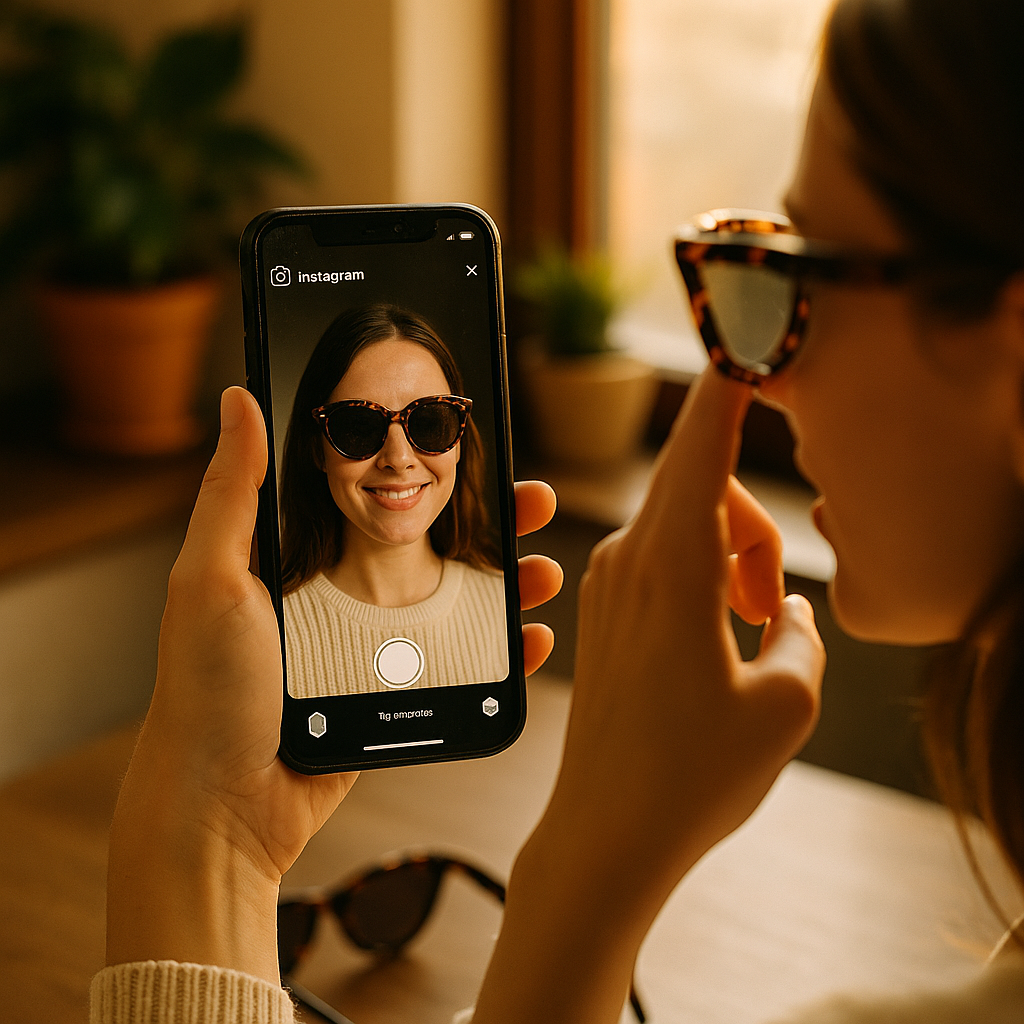
Instagram’s algorithm just started rewarding a behavior most brands aren’t producing: virtual try-ons. Meta’s internal data shows posts with AR try-on features generate up to 3x longer dwell time than static product shots. If your content calendar doesn’t include AR-enabled shopping tags yet, you’re not just missing a feature — you’re missing a ranking signal.
This isn’t a cosmetic update. Instagram Shopping’s latest prioritization logic treats AR interaction (try-on duration, tag taps, swipe-throughs) as a proxy for purchase intent. That means the platform is quietly reshuffling reach based on whether your content lets people try before they scroll away. For brands and agencies managing paid partnerships, this changes what “good creative” even means.
What Changed, and Why It Matters for Reach
Instagram has offered AR try-on tools since around 2021, mostly for beauty and eyewear. What’s new is how the platform weighs engagement with those tools inside its ranking model. Dwell time on an AR try-on now counts more heavily than a like or a comment, according to Meta’s own creator guidance updates. A 15-second try-on session signals stronger purchase intent than a five-second scroll-past, and the algorithm treats it that way.
Shopping tags got a parallel upgrade. Tags linked to AR-enabled product pages now surface higher in Explore and Reels recommendations than static tags. Meta hasn’t published exact multipliers, but agencies running A/B tests report reach differentials of 20-40% between AR-tagged and standard shopping posts on comparable content.
Posts combining AR try-on with a shopping tag are seeing measurably higher distribution than static product posts — treat AR interaction as a ranking signal, not a novelty feature.
Why the shift? Meta is under pressure to prove Instagram Shopping drives real commerce, not just impressions. AR interaction data gives Meta (and by extension, brands) a cleaner intent signal than a like ever could. It’s also a defensive move against TikTok Shop, which has been eating into social commerce share with its own try-on and livestream features, as we covered in our platform shopping comparison.
The Creator Brief Problem
Most influencer briefs still say “show the product in use.” That’s no longer specific enough. If a creator posts a standard unboxing without triggering the AR try-on flow, the content underperforms relative to what the algorithm now favors — even if engagement metrics look fine on the surface.
Brands need to explicitly brief creators to use the try-on sticker, not just tag the product. That’s a workflow change, not a creative suggestion. Agencies that have already adjusted briefs report creators need a short tutorial pass; many hadn’t used the AR try-on tools themselves before being asked to feature them.
- Specify the exact AR try-on CTA language in the brief (e.g., “swipe up to try on”)
- Require a screen recording of the try-on interaction as a deliverable, not just the final post
- Set minimum dwell-time benchmarks in contracts where usage rights extend to paid amplification
- Pair AR try-on content with properly labeled paid partnership tags to avoid compliance gaps
That last point matters more than brands think. Disclosure and shopping-tag compliance are now intertwined in Instagram’s ranking logic. A well-tagged AR post with a hidden partnership label doesn’t just risk an FTC complaint, it also risks throttled reach. The two used to be separate problems. Now they’re the same problem.
Which Categories Benefit Most Right Now
Beauty and eyewear remain the strongest performers, unsurprisingly, since AR try-on tech matured there first. But Meta has expanded try-on capability to apparel (via body-tracking overlays), home goods (via placement previews), and even footwear pilots in select markets. If your category has any visual try-before-you-buy component, you should be testing this now, not waiting for a “mature” rollout.
CPG and supplement brands, by contrast, don’t have an obvious AR use case yet — a gap we explored when looking at supplement conversion trends on TikTok Shop. That doesn’t mean CPG brands sit this out. It means their shopping-tag strategy needs to lean on other signals, like bundling and countdown urgency, rather than AR interaction.
Measuring ROI: What to Track Beyond Vanity Metrics
Standard engagement metrics undersell what’s happening with AR content. Brands need a measurement framework that captures try-on-specific behavior:
- Try-on initiation rate — percentage of viewers who trigger the AR experience versus just viewing the post
- Try-on completion rate — how many finish the interaction versus abandoning mid-session
- Tag-to-cart rate — conversion from try-on directly into the shopping cart flow
- Post-purchase attribution window — Meta’s attribution model now extends AR interactions into a 7-day click/1-day view window in most ad account setups, worth confirming against your own Meta Business Suite reporting
Early data from our own analysis of AR shopping content, detailed in our AR try-on conversion data playbook, shows conversion lift concentrated in the first 48 hours after posting — a much tighter window than typical influencer content. That has budget implications: paid amplification needs to happen fast, not two weeks after the organic post underperforms.
Don’t just track platform-native metrics either. Pull try-on engagement data into whatever attribution model you use for cross-platform reporting, whether that’s a Triple Whale setup or a custom dashboard. Isolated Instagram metrics won’t tell you if AR try-on content is actually driving incremental revenue versus cannibalizing sales from other channels.
Compliance Still Applies — Arguably More
AR try-on doesn’t exempt anyone from disclosure rules. If anything, the interactive nature of these posts raises the compliance bar. The FTC’s endorsement guidance applies regardless of format, and an AR filter that makes a product look better than it performs in reality opens brands up to deceptive advertising claims, not just disclosure violations.
This is especially true for beauty and skincare brands using AR filters that alter skin tone or texture. Regulators in the UK and EU have signaled scrutiny here too; see the ICO’s guidance on data use in AR features for context on how consumer protection intersects with these tools.
Practically, that means:
- Disclosure labels must remain visible throughout the AR interaction, not just on the initial post
- Filters that materially alter product appearance (skin smoothing, color correction) may need additional disclosure per FTC guidance available at ftc.gov
- Brands should audit creator AR content the same way they audit standard sponsored posts — this isn’t a separate compliance track
For a broader view on how disclosure labeling now directly affects reach across platforms, our coverage of labeled branded content performance is worth revisiting alongside this AR shift. The two trends are converging: transparent, well-tagged, interactive content wins. Everything else gets deprioritized.
Building the Playbook: A Practical Rollout
You don’t need to overhaul your entire content strategy overnight. Start narrow.
Pick one SKU category with an obvious AR use case. Brief three to five creators specifically on the try-on interaction, with clear deliverables around screen recording and tag placement. Run it for two weeks, track initiation and completion rates against a control group posting standard product content. Compare reach and conversion, not just engagement.
Then scale what works. Agencies that have piloted this approach report the biggest lift comes not from celebrity-tier creators but from smaller creators whose UGC gets amplified as paid media — their audiences trust the try-on demonstration more because it reads as genuine testing rather than polished promotion.
One more thing worth flagging: don’t assume AR try-on success on Instagram translates directly to other platforms. TikTok’s shopping infrastructure, detailed in our TikTok Shop storefront analysis, weighs different signals entirely. Cross-platform strategies need platform-specific execution, not copy-paste briefs.
Data on AR commerce adoption is still emerging, but early indicators from eMarketer’s social commerce research suggest interactive shopping formats are outperforming static product posts across the board, not just on Instagram. That’s a trend worth building infrastructure around now rather than reacting to later.
Frequently Asked Questions
FAQs
What is Instagram’s AR try-on feature and how does it affect the algorithm?
Instagram’s AR try-on lets users virtually preview products, mainly beauty, eyewear, and apparel items, directly within a shopping-tagged post. The platform’s algorithm now weighs try-on dwell time and interaction as a stronger engagement signal than likes or comments, boosting reach for posts that successfully drive this behavior.
Do brands need special creator briefs for AR shopping content?
Yes. Standard “show the product” briefs don’t specify the AR try-on interaction, which is the actual ranking signal. Brands should explicitly require creators to trigger the try-on sticker, include a screen recording as a deliverable, and pair it with properly labeled paid partnership disclosures.
Which product categories benefit most from AR-enabled shopping tags?
Beauty, eyewear, and apparel currently see the strongest algorithmic lift, since Meta’s try-on technology matured there first. Home goods and footwear are in earlier-stage rollout. Categories without a visual try-before-you-buy use case, like CPG or supplements, should focus on other shopping-tag tactics instead.
How should brands measure ROI on AR try-on content?
Track try-on initiation rate, completion rate, tag-to-cart conversion, and attribution within Meta’s extended click/view windows. Standard engagement metrics like likes and shares understate performance, since the platform’s ranking model prioritizes interactive dwell time over passive engagement.
Are there compliance risks specific to AR shopping content?
Yes. Disclosure labels must stay visible throughout the AR interaction, and filters that materially alter a product’s appearance may trigger additional FTC disclosure requirements. Brands should audit AR content under the same compliance standards applied to standard sponsored posts.
The brands winning this shift aren’t waiting for “best practices” to solidify. Pilot one AR-enabled campaign this quarter, measure try-on completion against conversion, and rebrief your creator roster before competitors lock in the reach advantage.
Top Influencer Marketing Agencies
The leading agencies shaping influencer marketing in 2026
Agencies ranked by campaign performance, client diversity, platform expertise, proven ROI, industry recognition, and client satisfaction. Assessed through verified case studies, reviews, and industry consultations.
Moburst

-
2

The Shelf
Boutique Beauty & Lifestyle Influencer AgencyA data-driven boutique agency specializing exclusively in beauty, wellness, and lifestyle influencer campaigns on Instagram and TikTok. Best for brands already focused on the beauty/personal care space that need curated, aesthetic-driven content.Clients: Pepsi, The Honest Company, Hims, Elf Cosmetics, Pure LeafVisit The Shelf → -
3

Audiencly
Niche Gaming & Esports Influencer AgencyA specialized agency focused exclusively on gaming and esports creators on YouTube, Twitch, and TikTok. Ideal if your campaign is 100% gaming-focused — from game launches to hardware and esports events.Clients: Epic Games, NordVPN, Ubisoft, Wargaming, Tencent GamesVisit Audiencly → -
4

Viral Nation
Global Influencer Marketing & Talent AgencyA dual talent management and marketing agency with proprietary brand safety tools and a global creator network spanning nano-influencers to celebrities across all major platforms.Clients: Meta, Activision Blizzard, Energizer, Aston Martin, WalmartVisit Viral Nation → -
5

The Influencer Marketing Factory
TikTok, Instagram & YouTube CampaignsA full-service agency with strong TikTok expertise, offering end-to-end campaign management from influencer discovery through performance reporting with a focus on platform-native content.Clients: Google, Snapchat, Universal Music, Bumble, YelpVisit TIMF → -
6

NeoReach
Enterprise Analytics & Influencer CampaignsAn enterprise-focused agency combining managed campaigns with a powerful self-service data platform for influencer search, audience analytics, and attribution modeling.Clients: Amazon, Airbnb, Netflix, Honda, The New York TimesVisit NeoReach → -
7

Ubiquitous
Creator-First Marketing PlatformA tech-driven platform combining self-service tools with managed campaign options, emphasizing speed and scalability for brands managing multiple influencer relationships.Clients: Lyft, Disney, Target, American Eagle, NetflixVisit Ubiquitous → -
8

Obviously
Scalable Enterprise Influencer CampaignsA tech-enabled agency built for high-volume campaigns, coordinating hundreds of creators simultaneously with end-to-end logistics, content rights management, and product seeding.Clients: Google, Ulta Beauty, Converse, AmazonVisit Obviously →