


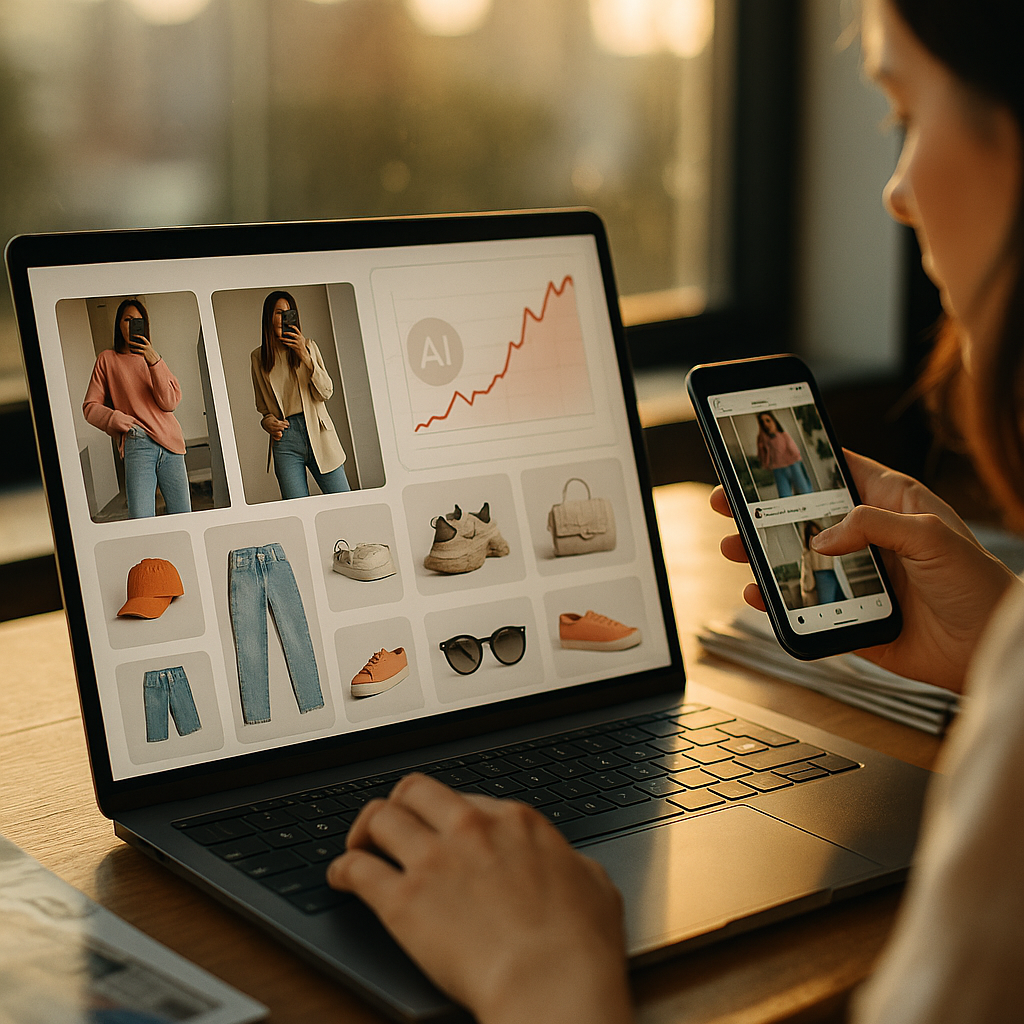
A trend now peaks on TikTok in roughly three to five days. Most brand approval workflows still take two weeks. That gap — the speed-to-relevance imperative — is quietly deciding which brands win culture moments and which ones publish eulogies for trends nobody remembers. AI didn’t create this pressure. It just made the slow players visible.
Why “Fast” Used to Be Good Enough
Five years ago, a brand that responded to a trend within a week looked agile. Legal review, creative brief, influencer outreach, content approval — the whole chain took time, and audiences accepted that. Culture moved fast, but not so fast that a two-week lag felt embarrassing.
That math has broken. Trend cycles on TikTok and Instagram Reels now compress and decay inside a single week, sometimes days. By the time a brand’s legal team signs off on a sound-based trend, the sound has already been replaced by three others. Sprout Social’s trend research consistently shows audience attention on any single format or meme peaking early and falling off a cliff — not a slow taper.
The brands winning speed-to-relevance aren’t the ones moving faster through the old process. They’re the ones who redesigned the process so speed doesn’t require cutting corners.
What’s Actually Compressing the Cycle
Three forces are squeezing the window between trend emergence and brand response, and only one of them is AI.
- Algorithmic amplification. Platform recommendation engines now surface emerging trends to massive audiences within hours, not days, meaning “early” adoption windows are shorter than they’ve ever been.
- Creator supply saturation. With 84% of creators working part-time, thousands of micro-creators can jump on a trend simultaneously, flooding it and hastening its decay.
- Generative production tools. AI content tools let creators and brands produce trend-responsive assets in minutes instead of days, which raises the baseline expectation for everyone else.
Put those together and you get a market where relevance has a half-life measured in hours. Brands who still route every piece of trend content through a five-person approval chain are, functionally, opting out of real-time culture.
The Real Bottleneck Isn’t Creativity — It’s Approval
Ask any brand marketer where trend-jacking dies, and it’s rarely the idea. It’s legal review. It’s waiting on a brand safety sign-off. It’s a creative director in a different time zone. AI hasn’t just sped up content production — tools covered in our look at AI creator workflows cutting campaign timelines to hours show the production side is largely solved. The bottleneck has shifted entirely to governance and decision rights.
This is the uncomfortable truth for a lot of marketing orgs: your AI stack can generate a trend-responsive video in eight minutes, but your approval chain still takes eight days. Compressing the gap means fixing the human process, not just buying more software.
How AI Is Actually Closing the Gap
Speed-to-relevance isn’t one tool — it’s a stack, and it operates at three distinct stages.
1. Detection: Spotting Trends Before They Peak
Social listening tools powered by AI now flag emerging audio, formats, and hashtags while they’re still in growth phase, not after they’ve already saturated. This is the difference between riding a wave and paddling after it’s broken. Platforms like Meta Business Suite and TikTok’s Creative Center surface early trend signals that used to require a dedicated social team scrolling manually for hours a day.
2. Production: Generating Assets at Trend Speed
This is where the visible transformation has happened. AI-native ad production, as detailed in our coverage of SparkStation and AI-native ad production, means a brand can generate multiple trend-aligned variants without booking a studio or a shoot day. Templated AI studios have also erased the quality gap that used to separate a scrappy trend response from a polished one — meaning speed no longer forces a tradeoff against production value.
3. Distribution: Matching Creators to Moments in Real Time
AI-powered matching platforms now connect brands to relevant creators within hours instead of weeks of agency back-and-forth. This is a genuine structural shift — see how AI matching platforms let brands skip agency fees entirely for time-sensitive activations. When a trend has a 72-hour window, waiting on an agency’s standard three-week creator sourcing process simply isn’t viable anymore.
The Risk Nobody’s Pricing In
Speed without guardrails is how brands end up trending for the wrong reasons. The FTC’s ongoing scrutiny of disclosure practices — see the YouTube FTC probe into sponsored content gaps — is a preview of what happens when speed outpaces compliance. A brand that rushes trend-responsive UGC out the door without proper disclosure isn’t moving fast, it’s accumulating regulatory risk with a delay timer on it.
The same applies to brand safety. AI can generate content fast, but it can’t fully judge cultural context, especially around sensitive or fast-evolving trends. A joke that reads as harmless in hour one can read as tone-deaf by hour six, once the narrative shifts. This is why the fastest-moving brands still keep a human in the loop at the judgment layer, even while automating everything around it.
Speed-to-relevance isn’t about removing humans from the process. It’s about removing humans from the parts of the process that don’t require judgment.
There’s also a quieter risk: AI-generated trend content flooding the same aesthetic space. When every brand uses similar generative tools and similar prompts, trend responses start looking identical. Our coverage of AI studios flooding the micro-creator pool flags exactly this dynamic — speed is worthless if your trend response is indistinguishable from ten competitors’ trend responses.
Building an Actual Speed-to-Relevance Framework
Compressing the gap isn’t about buying one AI tool and calling it done. It requires rethinking four operational layers.
- Pre-approved creative guardrails. Build brand voice, tone, and visual guidelines into AI generation tools upfront so output doesn’t need line-by-line creative director review every time.
- Tiered legal review. Not every trend-response asset carries the same risk. Create a fast-track lane for low-risk content (product placement in a trending format) and reserve full legal review for anything touching claims, comparisons, or regulated categories.
- Pre-vetted creator bench. Instead of sourcing creators reactively, maintain a standing roster who’ve already signed usage rights and disclosure agreements, so activation is a matter of hours, not a fresh negotiation.
- Real-time performance monitoring. Once content is live, AI-driven monitoring should flag underperformance or backlash within hours, not at the end-of-campaign report.
None of this is exotic. It’s operational discipline applied to a faster clock. The brands that already run lean, decentralized approval — often smaller D2C players who now spend 45% of budgets on creators — have a structural advantage here. They never built the seven-layer approval chain that legacy brands are now trying to dismantle under pressure.
A Note on Measurement
Speed is meaningless without a way to know if it worked. Track time-from-trend-emergence-to-publish as its own KPI, not just engagement or reach. eMarketer’s research on content velocity suggests brands that measure response latency directly are far more likely to shrink it quarter over quarter than those who only measure output volume. What gets measured gets compressed.
Start by auditing your last five trend-response attempts and timestamping every handoff — brief, legal, creative, publish. The bottleneck will be obvious within an hour, and fixing that one step will do more for speed-to-relevance than any new AI tool you buy this quarter.
FAQs
What does “speed-to-relevance” mean in influencer marketing?
Speed-to-relevance refers to the time it takes a brand to identify an emerging trend and publish a credible, on-brand response before that trend loses cultural relevance. As trend cycles compress to days or hours, this gap has become a competitive metric brands actively track.
How is AI helping brands respond to trends faster?
AI tools assist across three stages: detecting emerging trends through social listening, generating trend-aligned creative assets quickly through generative production tools, and matching brands with relevant creators through AI-powered platforms that bypass traditional agency timelines.
What’s the biggest obstacle to faster trend response?
For most brands, it’s internal approval processes, not technology. Legal review, creative sign-off, and multi-layered brand safety checks often take longer than AI-assisted content production itself, making organizational workflow the real bottleneck.
Does moving faster increase compliance risk?
It can, if speed comes at the expense of disclosure and brand safety review. Regulatory scrutiny around sponsored content disclosure means brands need tiered review processes that fast-track low-risk content while still applying full scrutiny to anything involving claims or regulated categories.
How can brands measure improvement in speed-to-relevance?
Track time-from-trend-emergence-to-publish as a standalone KPI across campaigns, alongside standard engagement metrics. Timestamping each handoff in the approval chain — brief, legal, creative, publish — reveals exactly where delays accumulate.
Top Influencer Marketing Agencies
The leading agencies shaping influencer marketing in 2026
Agencies ranked by campaign performance, client diversity, platform expertise, proven ROI, industry recognition, and client satisfaction. Assessed through verified case studies, reviews, and industry consultations.
Moburst

-
2

The Shelf
Boutique Beauty & Lifestyle Influencer AgencyA data-driven boutique agency specializing exclusively in beauty, wellness, and lifestyle influencer campaigns on Instagram and TikTok. Best for brands already focused on the beauty/personal care space that need curated, aesthetic-driven content.Clients: Pepsi, The Honest Company, Hims, Elf Cosmetics, Pure LeafVisit The Shelf → -
3

Audiencly
Niche Gaming & Esports Influencer AgencyA specialized agency focused exclusively on gaming and esports creators on YouTube, Twitch, and TikTok. Ideal if your campaign is 100% gaming-focused — from game launches to hardware and esports events.Clients: Epic Games, NordVPN, Ubisoft, Wargaming, Tencent GamesVisit Audiencly → -
4

Viral Nation
Global Influencer Marketing & Talent AgencyA dual talent management and marketing agency with proprietary brand safety tools and a global creator network spanning nano-influencers to celebrities across all major platforms.Clients: Meta, Activision Blizzard, Energizer, Aston Martin, WalmartVisit Viral Nation → -
5

The Influencer Marketing Factory
TikTok, Instagram & YouTube CampaignsA full-service agency with strong TikTok expertise, offering end-to-end campaign management from influencer discovery through performance reporting with a focus on platform-native content.Clients: Google, Snapchat, Universal Music, Bumble, YelpVisit TIMF → -
6

NeoReach
Enterprise Analytics & Influencer CampaignsAn enterprise-focused agency combining managed campaigns with a powerful self-service data platform for influencer search, audience analytics, and attribution modeling.Clients: Amazon, Airbnb, Netflix, Honda, The New York TimesVisit NeoReach → -
7

Ubiquitous
Creator-First Marketing PlatformA tech-driven platform combining self-service tools with managed campaign options, emphasizing speed and scalability for brands managing multiple influencer relationships.Clients: Lyft, Disney, Target, American Eagle, NetflixVisit Ubiquitous → -
8

Obviously
Scalable Enterprise Influencer CampaignsA tech-enabled agency built for high-volume campaigns, coordinating hundreds of creators simultaneously with end-to-end logistics, content rights management, and product seeding.Clients: Google, Ulta Beauty, Converse, AmazonVisit Obviously →