


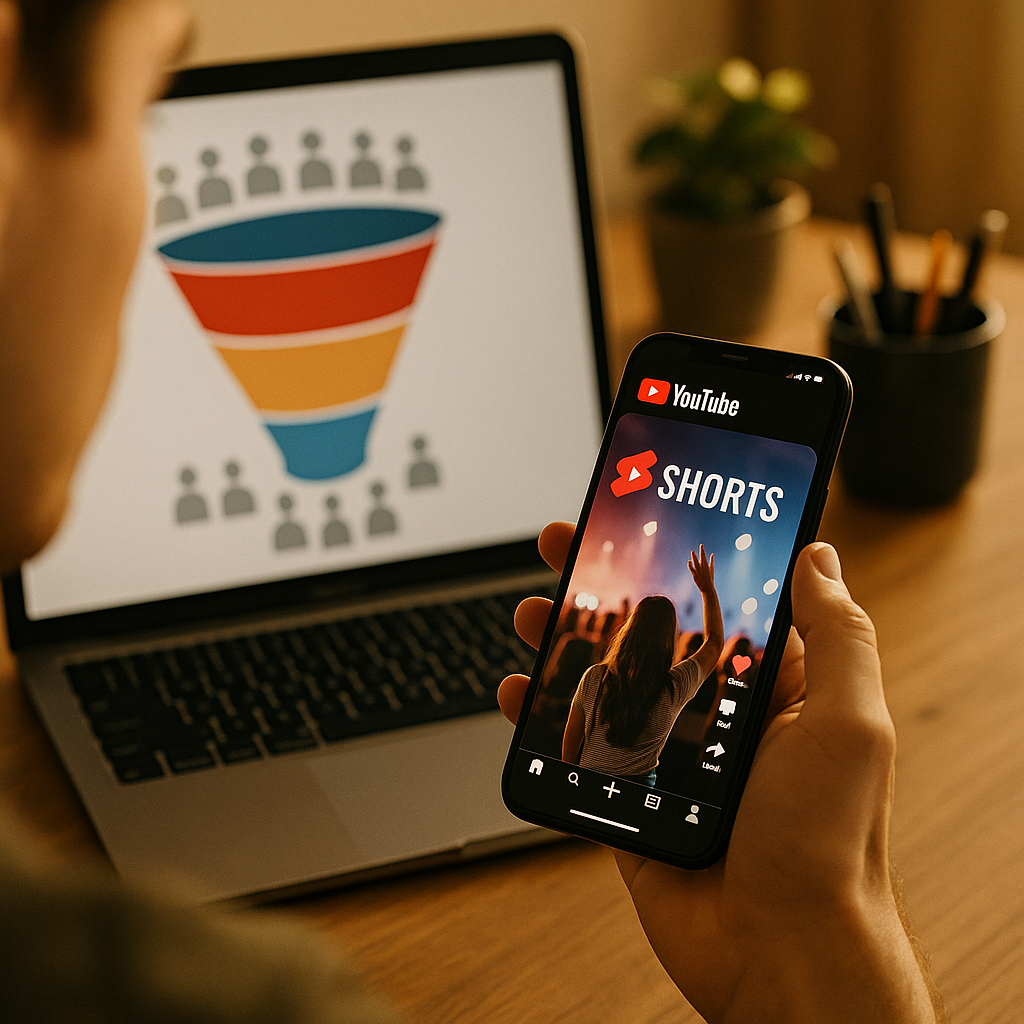
Ninety seconds. That’s roughly how long the average YouTube Shorts view lasts before a viewer swipes away and forgets your brand ever existed. Yet channels running serialized creator content report subscriber retention rates three to five times higher than one-off Shorts drops. The difference isn’t luck. It’s a deliberate YouTube Shorts to fandom funnel, and most brands still don’t have one.
Marketers keep treating Shorts like disposable impressions. Post, hope, move on. But YouTube’s own creator economics reward continuity, not volume. If your influencer program lacks a plan for turning casual scrollers into repeat viewers, you’re funding someone else’s fandom, not your own.
Why One-Off Shorts Campaigns Waste Budget
Here’s the uncomfortable math. A single sponsored Short might rack up 500,000 views and feel like a win in the recap deck. But views don’t equal audience ownership. Without a second touchpoint, that viewer has zero reason to come back. You paid for attention and got nothing structural in return.
Fandom, by contrast, compounds. A viewer who watches episode one of a series is statistically more likely to watch episode two, subscribe, click into a community post, and eventually convert on a product mention. That’s not a hunch, it’s how YouTube’s recommendation system works: it favors channels with session continuity and rewards creators (and their brand partners) who keep audiences watching across multiple uploads.
A serialized Shorts strategy doesn’t just extend reach, it builds a recurring audience asset that brands can retarget, remarket to, and eventually monetize without paying for cold traffic every single time.
Compare this to how brands are already thinking about cross-platform durability in Reels cross-platform relevance strategies. The underlying principle is identical: content that ages well and gets referenced later outperforms content built purely for a single scroll cycle.
What Does a Fandom Funnel Actually Look Like?
Strip away the jargon and a fandom funnel is just three stages: discovery, recognition, and belonging. Shorts handle discovery. Recognition happens when a viewer sees the same creator, character, or narrative thread appear again. Belonging is when they start commenting “wait for part 4” or clipping your content themselves.
- Discovery layer: Cold-audience Shorts optimized for hook strength and completion rate, not brand messaging density.
- Recognition layer: A recurring format, character, or challenge that trains the algorithm and the audience to expect the next installment.
- Belonging layer: Community posts, comment engagement, and longer-form YouTube uploads that reward the audience for sticking around.
Brands already running community posts for owned audience retention understand this instinctively: the Short is the hook, the community post is the retention mechanism. Skip the middle layer and you’re just running ads with extra steps.
Building the Series: Structure Beats Spontaneity
Improvised content feels authentic until you try to scale it. A repeatable series structure gives creators a template to execute fast and gives audiences a reason to return. Think in arcs, not one-off gags.
A workable structure for a 12-week creator series might look like this:
- Weeks 1 to 2: Introduce the premise and a recurring hook (a challenge format, a character, a running joke tied to your product category).
- Weeks 3 to 6: Escalate stakes or complexity. This is where retention data tells you whether the format has legs.
- Weeks 7 to 9: Introduce a mid-series twist, guest creator, or audience-voted decision point to spike shareability.
- Weeks 10 to 12: Resolve the arc and seed the next series, ideally with a cliffhanger that justifies a follow-on campaign.
Notice what’s missing from that list: constant hard selling. Fandom funnels work because the product sits in the background of a story people actually want to watch. This mirrors what’s happening with micro-documentary formats built for completion rate, where narrative structure, not ad copy, is doing the persuasion work.
Picking the Right Creator Partner (Not Just the Biggest One)
Subscriber count is a vanity metric for series work. What matters more: does this creator have a track record of sustaining a narrative across multiple uploads without audience drop-off? Check their existing series, not just their best-performing single video.
Ask for retention curves on any recurring format they’ve run before. A creator whose Shorts consistently pull 70%+ average view duration on episodic content is a safer long-term bet than one with a single viral outlier and no repeat pattern. This is the same due diligence brands should be applying when negotiating through direct creator partnership deals, where access to raw analytics is now a standard negotiating point, not a favor.
Also worth clarifying upfront: who owns the series concept if the partnership ends? Brands that skip this conversation often lose their best-performing format the moment a creator renegotiates or walks. Put the IP terms in writing before episode one ships.
Turning Remix Culture Into Free Distribution
YouTube’s remix and duet-style tools on Shorts aren’t just gimmicks, they’re a distribution multiplier if you plan for them. A well-structured series invites audience participation: a callback line, a reaction format, a challenge other creators can riff on. Every remix is a free impression with someone else’s audience.
But unmanaged remix chains are also a governance headache. Off-brand remixes, unauthorized product claims, or tone-deaf spinoffs can spread just as fast as the good ones. That’s why any long-term series needs the kind of structured oversight covered in remix chain governance planning, including clear usage guidelines shared with your creator roster before the series launches, not after a problem surfaces.
Every remix is free distribution until it isn’t. Brands that skip governance planning end up spending more on damage control than they saved on production.
Measuring Fandom, Not Just Views
Standard Shorts metrics (views, likes, shares) tell you almost nothing about fandom formation. You need a different scorecard:
- Series completion rate: what percentage of episode-one viewers made it to episode three or beyond?
- Comment recurrence: are the same usernames showing up across multiple uploads?
- Community post engagement: is the audience engaging between video drops, not just during them?
- Cross-platform migration: are viewers following the creator or brand handle onto other platforms, a sign of genuine fandom versus algorithmic drive-by traffic?
Attribution gets messier when a series drives commerce outcomes across platforms. Tools built for this exact reconciliation problem, like those covered in the cross-platform payout reconciliation guide, are worth evaluating before your series scales past a handful of creators, since manual spreadsheet tracking collapses fast once you’re running parallel storylines with multiple partners.
According to eMarketer’s creator economy research, brands that measure repeat engagement rather than raw reach consistently report stronger year-over-year retention on influencer-driven audiences. That’s the whole thesis of a fandom funnel in one data point.
Disclosure and Compliance Don’t Take a Break for Series Content
A 12-episode series means 12 separate disclosure obligations, not one blanket disclaimer at the start. The FTC’s endorsement guidelines apply per piece of content, and YouTube’s own paid promotion tagging needs to be active on every installment, not just the launch video. Brands running long series sometimes get lax by episode six. That’s exactly when regulators and platform trust and safety teams start paying attention.
If you’re coordinating disclosure across a roster of creators, it’s worth reviewing the operational patterns in the automatic flagging and disclosure compliance guide, since platform detection systems increasingly flag inconsistent disclosure behavior across a creator’s content history, not just individual posts.
Where This Fits in the Bigger Creator Strategy
A Shorts-to-fandom funnel isn’t a standalone tactic. It should sit inside a broader creator marketplace strategy where you’re comparing series-based investment against other formats, like paid ad amplification or one-off sponsorships. The buying frameworks outlined in the creator marketplace buying playbook are a useful reference point when justifying multi-month series budgets to finance teams who are used to campaign-length thinking, not season-length thinking.
Community trust also compounds. Once a series has built genuine fandom, brands can layer in the kind of community-first advertising covered in fandom-based ad targeting, reaching viewers who already have a relationship with the content rather than cold-prospecting every quarter.
For channel growth benchmarks and platform-level engagement data, Statista’s social video reports remain a solid reference point when building the business case internally.
Next step: before your next Shorts campaign brief goes out, replace the single-video deliverable with a three-episode minimum arc, and build the completion-rate tracking into your reporting template from day one. Fandom isn’t built in a single upload, it’s built in the return visit.
FAQs
What is a YouTube Shorts to fandom funnel?
It’s a structured content approach where Shorts serve as the discovery layer for a longer creator series, designed to convert casual viewers into repeat watchers and eventually a loyal, engaged community rather than treating each video as a standalone campaign.
How long should a brand creator series run on YouTube Shorts?
Most effective series run eight to twelve weeks with a clear narrative arc, though brands with strong retention data sometimes extend into ongoing seasons once the format proves it can sustain audience interest without fatigue.
How do you measure fandom instead of just views?
Track series completion rate across episodes, recurring commenters, community post engagement between uploads, and whether viewers migrate to follow the creator or brand on other platforms.
Do disclosure rules apply differently to a series versus a single sponsored video?
No. Each episode needs its own disclosure and paid promotion tagging under FTC guidelines and YouTube’s policies, since obligations apply per piece of content, not once at the start of a series.
What’s the biggest mistake brands make with long-term creator series?
Treating episode one like a single campaign asset instead of planning the full arc, retention tracking, remix governance, and IP ownership terms before production begins.
FAQs
What is a YouTube Shorts to fandom funnel?
It’s a structured content approach where Shorts serve as the discovery layer for a longer creator series, designed to convert casual viewers into repeat watchers and eventually a loyal, engaged community rather than treating each video as a standalone campaign.
How long should a brand creator series run on YouTube Shorts?
Most effective series run eight to twelve weeks with a clear narrative arc, though brands with strong retention data sometimes extend into ongoing seasons once the format proves it can sustain audience interest without fatigue.
How do you measure fandom instead of just views?
Track series completion rate across episodes, recurring commenters, community post engagement between uploads, and whether viewers migrate to follow the creator or brand on other platforms.
Do disclosure rules apply differently to a series versus a single sponsored video?
No. Each episode needs its own disclosure and paid promotion tagging under FTC guidelines and YouTube’s policies, since obligations apply per piece of content, not once at the start of a series.
What’s the biggest mistake brands make with long-term creator series?
Treating episode one like a single campaign asset instead of planning the full arc, retention tracking, remix governance, and IP ownership terms before production begins.
Top Influencer Marketing Agencies
The leading agencies shaping influencer marketing in 2026
Agencies ranked by campaign performance, client diversity, platform expertise, proven ROI, industry recognition, and client satisfaction. Assessed through verified case studies, reviews, and industry consultations.
Moburst

-
2

The Shelf
Boutique Beauty & Lifestyle Influencer AgencyA data-driven boutique agency specializing exclusively in beauty, wellness, and lifestyle influencer campaigns on Instagram and TikTok. Best for brands already focused on the beauty/personal care space that need curated, aesthetic-driven content.Clients: Pepsi, The Honest Company, Hims, Elf Cosmetics, Pure LeafVisit The Shelf → -
3

Audiencly
Niche Gaming & Esports Influencer AgencyA specialized agency focused exclusively on gaming and esports creators on YouTube, Twitch, and TikTok. Ideal if your campaign is 100% gaming-focused — from game launches to hardware and esports events.Clients: Epic Games, NordVPN, Ubisoft, Wargaming, Tencent GamesVisit Audiencly → -
4

Viral Nation
Global Influencer Marketing & Talent AgencyA dual talent management and marketing agency with proprietary brand safety tools and a global creator network spanning nano-influencers to celebrities across all major platforms.Clients: Meta, Activision Blizzard, Energizer, Aston Martin, WalmartVisit Viral Nation → -
5

The Influencer Marketing Factory
TikTok, Instagram & YouTube CampaignsA full-service agency with strong TikTok expertise, offering end-to-end campaign management from influencer discovery through performance reporting with a focus on platform-native content.Clients: Google, Snapchat, Universal Music, Bumble, YelpVisit TIMF → -
6

NeoReach
Enterprise Analytics & Influencer CampaignsAn enterprise-focused agency combining managed campaigns with a powerful self-service data platform for influencer search, audience analytics, and attribution modeling.Clients: Amazon, Airbnb, Netflix, Honda, The New York TimesVisit NeoReach → -
7

Ubiquitous
Creator-First Marketing PlatformA tech-driven platform combining self-service tools with managed campaign options, emphasizing speed and scalability for brands managing multiple influencer relationships.Clients: Lyft, Disney, Target, American Eagle, NetflixVisit Ubiquitous → -
8

Obviously
Scalable Enterprise Influencer CampaignsA tech-enabled agency built for high-volume campaigns, coordinating hundreds of creators simultaneously with end-to-end logistics, content rights management, and product seeding.Clients: Google, Ulta Beauty, Converse, AmazonVisit Obviously →