


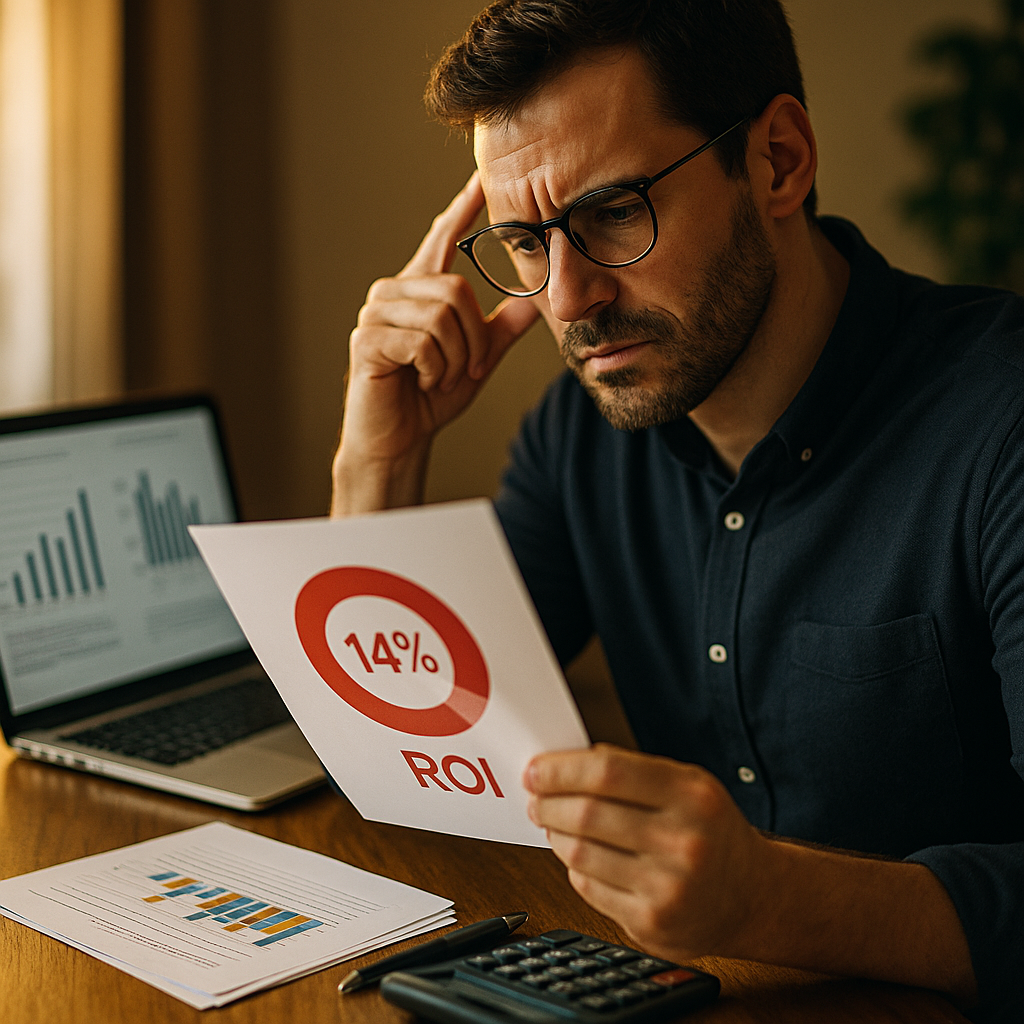
14% ROI. That’s the headline figure La Redoute put next to its 80 ambassador Instagram program, and it’s already making the rounds in brand strategy decks as proof that mid-sized influencer rosters beat sprawling ones. But what does “14% ROI” actually mean when a retailer reports it, and should it change how you structure your own creator mix? The la redoute instagram program deserves a closer look before anyone copies the blueprint.
What La Redoute Actually Built
La Redoute, the French home and fashion retailer, ran a Black Friday campaign using 80 Instagram ambassadors instead of the scattershot hundreds-of-micro-creators approach that’s become default in retail influencer marketing. The brand curated a tighter bench: creators who’d worked with the label before, who understood the product catalog, and who could be briefed once rather than managed individually across dozens of one-off deals.
The campaign ran across Stories, Reels, and static posts, timed to the Black Friday to Cyber Monday window. La Redoute then reported a 14% return on ad spend tied to the ambassador layer specifically, separate from its paid media and owned channel performance.
Here’s the part that matters for anyone building a deck around this: “14% ROI” is doing a lot of work in that sentence, and retailers rarely publish the denominator. Is that 14% net profit after all production and platform fees? Is it incremental revenue attributed via last-click, multi-touch, or some blended model? Without that detail, the number is more of a vibe than a benchmark.
The Curated Roster Logic
Eighty is a deliberate number. It’s small enough to manage with a lean internal team or a boutique agency, large enough to cover multiple product categories and audience segments. Compare that to e.l.f. Beauty’s approach of vetting 9,000 nano creators through CreatorIQ, or the brand’s later scale to 15,900 creator partnerships in a single year. Those are volume plays built for reach and long-tail discovery. La Redoute’s 80 ambassadors is a precision play: fewer relationships, deeper briefing, tighter brand control.
Both models can work. The question is what you’re optimizing for. If your KPI is raw impressions and top-of-funnel awareness, volume wins on cost-per-reach. If your KPI is conversion efficiency within a defined sales window, a curated roster with repeat creators who know your product tends to perform better per dollar, because you’re not paying a learning curve tax on every single partnership.
A smaller, repeat-tested creator roster often converts better per dollar than a sprawling one, not because the creators are better, but because the brand isn’t paying for a fresh learning curve on every partnership.
Dissecting the 14% Number
Let’s get specific about why a single ROI percentage from a seasonal campaign deserves skepticism, even when it’s directionally encouraging.
- Attribution window matters. Black Friday campaigns compress purchase intent into days. A 14% ROI calculated on a 7-day attribution window looks very different from one calculated on 30 days, especially for a retailer with gift-buying behavior that extends into December.
- Baseline comparison is unclear. ROI against what? If the comparison is against paid social CPMs during the same window, that’s one story. If it’s against a flat cost basis with no counterfactual, the number is softer than it sounds.
- Seasonal halo effects inflate short-term reads. Black Friday traffic spikes across every channel. Isolating the ambassador program’s specific lift requires holdout testing or geo-based incrementality, and most retailers don’t disclose whether they ran one.
- Currency and scale context. La Redoute operates primarily in euros across French and broader European markets. A 14% ROI on a regional Black Friday push doesn’t automatically translate to a US DTC brand running influencer campaigns year-round.
None of this means the number is fake. It likely reflects a real, measurable improvement over whatever La Redoute was doing before. But treating 14% as a universal benchmark for “curated ambassador programs beat volume programs” is a stretch the data doesn’t fully support on its own.
What’s Missing From the Public Claim
Retailers rarely publish the methodology behind an ROI headline, and that’s not unique to La Redoute. Compare this to GameSquare’s work with Chartis, which was built specifically to make influencer ROI auditable rather than just reportable. That distinction matters. An auditable number has a defined methodology, a consistent attribution model, and ideally a third-party verification layer. A reported number is whatever the brand’s internal team decided to calculate and share.
If you’re pitching leadership on reallocating budget toward a curated ambassador model based on La Redoute’s result, ask your analytics team these questions first: What attribution model are we using internally? Do we have holdout data from a comparable campaign? And can we replicate the measurement methodology, not just the creator count?
Why the Ambassador Count Isn’t the Real Lesson
Here’s a contrarian take worth sitting with: the headline number (80 creators) is almost a distraction. The more replicable insight is the operational model underneath it.
Retailers that run lean, high-trust ambassador programs tend to share a few traits regardless of roster size. They brief creators on product knowledge, not just hashtags. They build repeat relationships so creators understand brand voice without a 40-page guideline doc every campaign. And they tie creator selection to a specific commercial moment (in this case, Black Friday) rather than running an always-on program with diffuse goals.
That operational discipline shows up elsewhere too. Princess Polly’s affiliate program, which grew to 11,000 creators cracking the CPA code, proves that scale and performance rigor aren’t mutually exclusive, but it took years of structured CPA tracking to get there. La Redoute’s 80-creator model is essentially the inverse bet: smaller scale, faster to implement, harder to extend past a single seasonal push without rebuilding the roster logic for always-on use.
The replicable lesson isn’t “use 80 creators.” It’s “brief fewer creators more deeply, and tie the roster to a specific commercial moment you can measure.”
How This Compares to Other Retail Models
Retail influencer programs tend to cluster into a few recognizable shapes. Fabletics leans on UGC to fuel its membership flywheel, prioritizing recurring content over one-off campaigns. Best Buy’s TikTok Shop launch leaned into category trust signals rather than raw creator volume. Scrub Daddy went the opposite direction entirely, building an open affiliate model that invites anyone to participate, trading curation for scale.
La Redoute’s 80-ambassador push sits closer to the curated end of that spectrum, alongside brands like Huda Beauty, which ties creator tiers to real sales data rather than follower count alone. The common thread across every program that actually holds up under scrutiny is measurement discipline, not creator headcount. Brands that report strong numbers without showing their attribution work are asking you to take the result on faith.
For marketers evaluating whether to shrink or expand their own roster, the honest framework looks like this: map your current program against attribution capability first, then decide if curation or scale better serves the gap. A 14% ROI claim from a competitor’s seasonal campaign is a useful data point, not a strategy.
What To Verify Before You Pitch This Internally
- Ask what attribution window and model produced the 14% figure. If you can’t find it, assume it’s a rough directional number, not a benchmark.
- Check whether the campaign ran a holdout group. Seasonal halo effects are real and they inflate attributed lift without one.
- Confirm whether “ROI” includes production costs, platform fees, and agency management fees, or just media spend. These vary wildly between reported figures.
- Look at your own historical data from a comparable seasonal window before promising leadership a specific percentage lift from a roster resize.
Industry data from sources like eMarketer and Statista consistently shows that influencer ROI reporting varies enormously by methodology, which is exactly why a single headline figure from one retailer’s Black Friday push shouldn’t be treated as an industry standard. If you want a sharper read on attribution practices, HubSpot’s marketing resources and Sprout Social’s reporting tools are reasonable starting points for building your own measurement framework before you commit budget based on someone else’s number.
The Takeaway
Treat La Redoute’s 14% ROI as a case study in operational discipline, not a benchmark to replicate blindly. Before resizing your own roster, demand the same attribution rigor from your internal reporting that you’d want to see from theirs, and test a curated-versus-scale split on your next seasonal campaign with a proper holdout group before betting the whole budget on either model.
FAQs
What does La Redoute’s 14% ROI claim actually measure?
It refers to the return attributed specifically to La Redoute’s 80-person Instagram ambassador program during its Black Friday campaign window, though the brand hasn’t published the full attribution methodology behind the figure.
Is 80 ambassadors a good benchmark for retail influencer programs?
Not universally. The right roster size depends on your product catalog breadth, attribution capability, and whether you’re optimizing for seasonal conversion or always-on reach. Eighty worked for a specific commercial moment, not as a fixed rule.
How is a curated ambassador model different from a volume creator program?
A curated model uses fewer, repeat-tested creators who require less onboarding and brand briefing per campaign. A volume model, like programs running into the thousands of nano creators, prioritizes reach and long-tail discovery over per-creator depth.
Why does attribution window matter for seasonal campaign ROI claims?
Black Friday and other high-intent shopping windows compress purchase decisions, so a 7-day attribution window can show very different results than a 30-day window, especially for retailers with extended holiday purchase cycles.
What should brands ask before copying a competitor’s reported ROI figure?
Ask for the attribution model, whether a holdout group was tested, and whether the percentage includes production and management fees or only media spend. Without those details, the number is directional at best.
Top Influencer Marketing Agencies
The leading agencies shaping influencer marketing in 2026
Agencies ranked by campaign performance, client diversity, platform expertise, proven ROI, industry recognition, and client satisfaction. Assessed through verified case studies, reviews, and industry consultations.
Moburst

-
2

The Shelf
Boutique Beauty & Lifestyle Influencer AgencyA data-driven boutique agency specializing exclusively in beauty, wellness, and lifestyle influencer campaigns on Instagram and TikTok. Best for brands already focused on the beauty/personal care space that need curated, aesthetic-driven content.Clients: Pepsi, The Honest Company, Hims, Elf Cosmetics, Pure LeafVisit The Shelf → -
3

Audiencly
Niche Gaming & Esports Influencer AgencyA specialized agency focused exclusively on gaming and esports creators on YouTube, Twitch, and TikTok. Ideal if your campaign is 100% gaming-focused — from game launches to hardware and esports events.Clients: Epic Games, NordVPN, Ubisoft, Wargaming, Tencent GamesVisit Audiencly → -
4

Viral Nation
Global Influencer Marketing & Talent AgencyA dual talent management and marketing agency with proprietary brand safety tools and a global creator network spanning nano-influencers to celebrities across all major platforms.Clients: Meta, Activision Blizzard, Energizer, Aston Martin, WalmartVisit Viral Nation → -
5

The Influencer Marketing Factory
TikTok, Instagram & YouTube CampaignsA full-service agency with strong TikTok expertise, offering end-to-end campaign management from influencer discovery through performance reporting with a focus on platform-native content.Clients: Google, Snapchat, Universal Music, Bumble, YelpVisit TIMF → -
6

NeoReach
Enterprise Analytics & Influencer CampaignsAn enterprise-focused agency combining managed campaigns with a powerful self-service data platform for influencer search, audience analytics, and attribution modeling.Clients: Amazon, Airbnb, Netflix, Honda, The New York TimesVisit NeoReach → -
7

Ubiquitous
Creator-First Marketing PlatformA tech-driven platform combining self-service tools with managed campaign options, emphasizing speed and scalability for brands managing multiple influencer relationships.Clients: Lyft, Disney, Target, American Eagle, NetflixVisit Ubiquitous → -
8

Obviously
Scalable Enterprise Influencer CampaignsA tech-enabled agency built for high-volume campaigns, coordinating hundreds of creators simultaneously with end-to-end logistics, content rights management, and product seeding.Clients: Google, Ulta Beauty, Converse, AmazonVisit Obviously →