


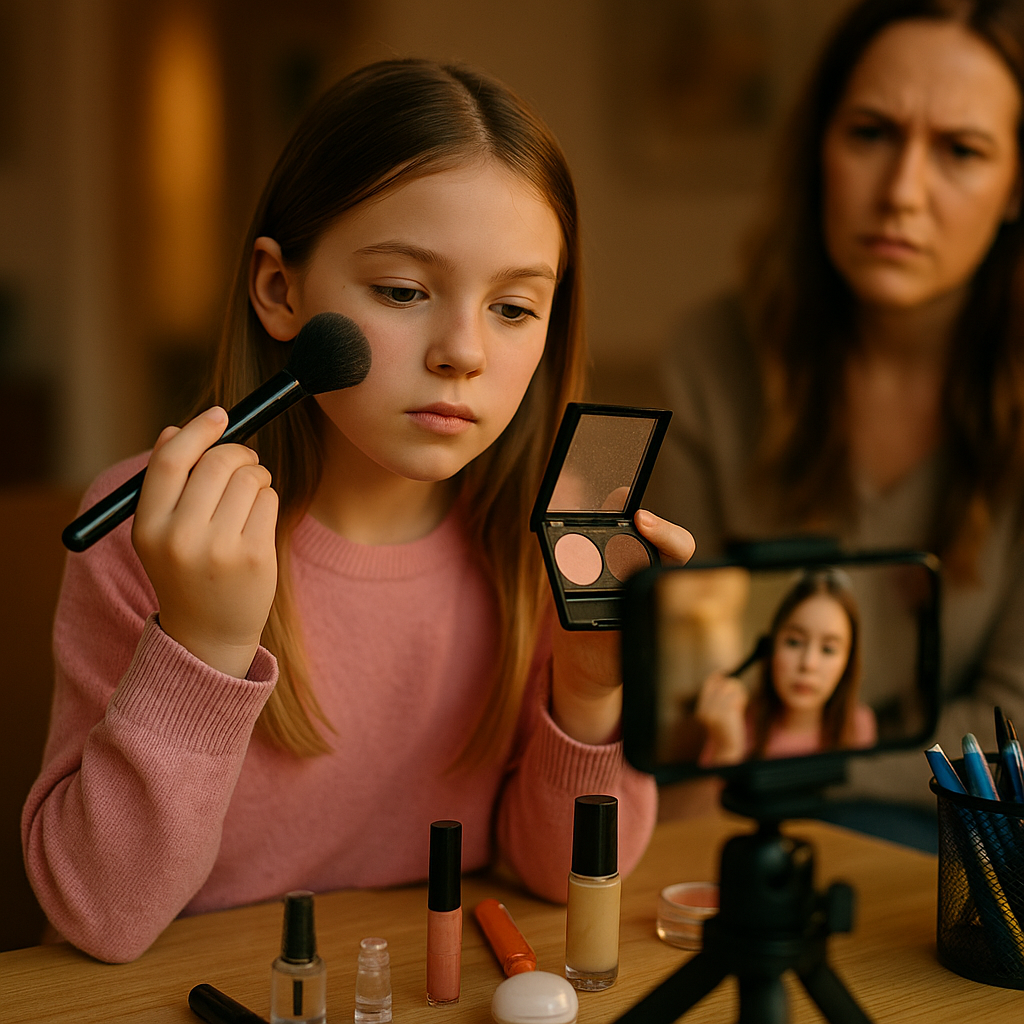
One viral clip of a ten-year-old with a $70 skincare haul was all it took. Within days, the Sephora kids beauty backlash turned into a case study in why brands can no longer treat youth-adjacent creator content as an afterthought. If your influencer program touches anyone under 25, this one’s worth reading twice.
What Actually Happened
Sephora didn’t run a campaign targeting children. That’s the part brands keep getting wrong when they retell this story. The backlash grew organically: parents, dermatologists, and news outlets noticed tweens flooding Sephora stores demanding retinol serums and $48 moisturizers after watching “Get Ready With Me” videos from creators who skewed disturbingly young, or from adult creators whose audiences skewed disturbingly young.
The brand never briefed anyone to market to kids. But its affiliate and gifting programs, run at scale through open-enrollment platforms, had no meaningful age or audience-composition checks. Creators self-identified their niche. Nobody cross-referenced follower demographics against product category. The result: skincare formulated for adult skin barriers ended up in the vanity drawers of eleven-year-olds, amplified by an algorithm that doesn’t care about pediatric dermatology.
Dermatologists went public. Parenting media picked it up. Then mainstream outlets ran the story, and Sephora found itself explaining a marketing failure it hadn’t technically greenlit — but had absolutely enabled through lax vetting infrastructure.
The lesson isn’t “don’t work with beauty creators.” It’s that audience composition, not just creator content, is now a compliance variable brands have to actively manage.
Why This Wasn’t Really About Sephora
Every beauty, wellness, and lifestyle brand running influencer programs at scale has some version of this exposure. Affiliate networks and creator marketplaces are built for volume, not nuance. You approve a creator based on engagement rate and follower count. You rarely audit who’s actually watching.
That’s the structural problem. A 24-year-old skincare creator with 2 million TikTok followers might have an audience that’s 35% under 16, based on how the platform’s recommendation engine has classified and distributed her content. TikTok’s own advertising policies restrict targeting to under-18 audiences for certain categories, but organic creator content, gifted product, and affiliate links sit in a gray zone that most brand safety teams simply haven’t mapped.
Sephora is the headline. It won’t be the last brand to get burned this way.
The Vetting Gaps Nobody Was Watching
Talk to any influencer marketing lead honestly and they’ll admit the old vetting checklist was built for a different set of risks: fake followers, engagement pods, brand-safety issues around controversial opinions. Age-appropriate audience matching barely made the list.
Here’s what typically got skipped before this became a front-page problem:
- Audience age distribution: Most platforms report this in aggregate bands (13-17, 18-24, etc.), but very few brands pulled the data before approving a creator for gifting or paid partnership.
- Content-adjacent audience drift: A creator’s stated niche (adult skincare) doesn’t mean their actual viewers match. Tween audiences flock to “GRWM” and haul content regardless of the product category.
- Comment section composition: A quick scroll of comments often reveals audience age faster than any dashboard metric — brands rarely built this into formal review.
- Product-category-to-audience mapping: Retinoids, exfoliating acids, and fragrance-heavy formulas carry dermatological risk for younger skin. Nobody was cross-referencing SKU sensitivity against audience age.
- Affiliate link auto-approval: Many programs let creators join self-serve with minimal human review, which scales fast but skips the judgment calls that matter here.
None of this is exotic. It’s operational discipline that got deprioritized because growth mattered more than friction, until the friction became a PR crisis.
Sephora’s Response — And What It Signals
Sephora’s overhaul, rolled out quietly through updated creator program terms and stricter affiliate onboarding, focused on a few concrete levers: tightening audience-age reporting requirements for affiliate approval, adding category-specific content guidelines (no active ingredients marketed via haul-style content without clear usage framing), and building an internal flagging process for creators whose audience composition shifts over time.
That last point matters more than it sounds. Audience demographics aren’t static. A creator can start with a clean 25+ audience and drift younger over 18 months as their content gets picked up by a different recommendation pool. Point-in-time vetting isn’t enough anymore. Brands need continuous monitoring, not a one-time approval gate.
Other beauty retailers took notice. Ulta and several DTC skincare brands quietly updated their influencer guidelines within the following quarter, according to trade reporting circulating in beauty industry circles. Nobody wants to be the next case study.
The Regulatory Backdrop Nobody Can Ignore
This isn’t purely a reputational issue. The FTC has been increasingly vocal about advertising directed at or reasonably likely to reach children, and COPPA-adjacent scrutiny extends to influencer content when a brand knows or should know its products are reaching a young audience through creator channels. “Should know” is the operative phrase. Ignorance isn’t a defense once the audience data is sitting in a dashboard you didn’t bother to check.
In the UK and EU, regulators including bodies aligned with ICO guidance have similarly tightened expectations around data and marketing practices involving minors. Global beauty brands can’t treat this as a US-only compliance issue.
What a Real Creator Vetting Overhaul Looks Like
If you’re running influencer or affiliate programs in beauty, wellness, fashion, or any category with tween crossover appeal, here’s the operational checklist worth building now, before you’re forced to.
- Pull audience age bands before every partnership approval, not just engagement and follower metrics. Most platforms already expose this data — use it.
- Build category-risk tiers. Active-ingredient skincare, fragrance, and anything with usage warnings should trigger stricter audience review than, say, lip gloss or hair accessories.
- Set recurring re-vetting cadences. Quarterly audience-composition checks for always-on affiliates, not just at onboarding.
- Add content review for framing, not just claims. A haul video that treats retinol like candy is a different risk than one that includes dermatologist-reviewed usage guidance.
- Involve legal and compliance early. Influencer marketing teams shouldn’t be making COPPA-adjacent judgment calls alone.
This is where AI-assisted vetting tools earn their keep. Brands already using automated discovery and audience-analysis platforms have a head start, because the infrastructure for pulling demographic and behavioral signals at scale already exists. The same logic that cuts discovery costs through AI vetting can be repointed toward risk detection instead of just efficiency. It’s the same data pipeline, different question.
Vetting for engagement rate and vetting for audience-age risk are two different disciplines. Most brands built infrastructure for the first and assumed it covered the second. It doesn’t.
The ROI Argument for Doing This Before You’re Forced To
Compliance overhead always sounds like a tax on growth until you price out the alternative. Sephora’s brand-safety scramble likely cost more in emergency legal review, PR management, and creator program restructuring than a proactive audience-vetting layer would have cost across a full year.
There’s also a quieter cost: creator trust. When brands suddenly tighten rules after a scandal, good-faith creators get caught in the crossfire of overcorrection. Clear guidelines set early keep programs running smoothly and keep your best partners from feeling punished for someone else’s mistake.
Brands that treat this as a strategic differentiator, not just risk mitigation, are already marketing their vetting rigor to parents and skeptical consumers as a trust signal. That’s a positioning opportunity most beauty and wellness brands haven’t claimed yet.
For context on how disciplined creator selection drives both safety and performance, look at how brands like Poppi rebuilt trust through careful creator content or how a skincare brand cut CPA through smarter UGC vetting. Vetting isn’t just risk management. It’s a performance lever too.
FAQs
Frequently Asked Questions
What exactly caused the Sephora kids beauty backlash?
Tween and pre-teen audiences began mass-purchasing adult-formulated skincare products after being heavily exposed to beauty creator content — including GRWM videos, hauls, and affiliate links — that Sephora’s affiliate and gifting programs approved without meaningful audience-age vetting.
Is it illegal for brands to let their products reach underage audiences through influencer content?
Not automatically, but regulatory risk increases significantly once a brand knows or reasonably should know its content is reaching minors, particularly for product categories with usage warnings. The FTC has signaled growing scrutiny in this area, and brands are expected to exercise reasonable diligence.
How can brands check a creator’s audience age composition?
Most major platforms and influencer marketing platforms provide aggregate audience age-band data during the creator vetting process. Brands should require this data before approval, not just for large partnerships but for open affiliate enrollment too.
What product categories carry the highest risk for tween-adjacent exposure?
Active-ingredient skincare (retinoids, acids, exfoliants), fragrance, and any product with dermatological usage guidance carry elevated risk, since these formulas aren’t designed for younger or more sensitive skin.
Does this only apply to beauty brands?
No. Any category with crossover appeal to younger audiences — fashion, wellness, supplements, even food and beverage — should build similar audience-composition checks into creator vetting, especially for haul-style or GRWM content formats that tend to attract younger viewers regardless of stated niche.
Frequently Asked Questions
What exactly caused the Sephora kids beauty backlash?
Tween and pre-teen audiences began mass-purchasing adult-formulated skincare products after being heavily exposed to beauty creator content — including GRWM videos, hauls, and affiliate links — that Sephora’s affiliate and gifting programs approved without meaningful audience-age vetting.
Is it illegal for brands to let their products reach underage audiences through influencer content?
Not automatically, but regulatory risk increases significantly once a brand knows or reasonably should know its content is reaching minors, particularly for product categories with usage warnings. The FTC has signaled growing scrutiny in this area, and brands are expected to exercise reasonable diligence.
How can brands check a creator’s audience age composition?
Most major platforms and influencer marketing platforms provide aggregate audience age-band data during the creator vetting process. Brands should require this data before approval, not just for large partnerships but for open affiliate enrollment too.
What product categories carry the highest risk for tween-adjacent exposure?
Active-ingredient skincare (retinoids, acids, exfoliants), fragrance, and any product with dermatological usage guidance carry elevated risk, since these formulas aren’t designed for younger or more sensitive skin.
Does this only apply to beauty brands?
No. Any category with crossover appeal to younger audiences — fashion, wellness, supplements, even food and beverage — should build similar audience-composition checks into creator vetting, especially for haul-style or GRWM content formats that tend to attract younger viewers regardless of stated niche.
The brands that come out ahead here won’t be the ones scrambling after their own headline. Audit your creator program’s audience data this quarter, build the age-risk tiering now, and treat vetting rigor as the trust signal it’s about to become.
Top Influencer Marketing Agencies
The leading agencies shaping influencer marketing in 2026
Agencies ranked by campaign performance, client diversity, platform expertise, proven ROI, industry recognition, and client satisfaction. Assessed through verified case studies, reviews, and industry consultations.
Moburst

-
2

The Shelf
Boutique Beauty & Lifestyle Influencer AgencyA data-driven boutique agency specializing exclusively in beauty, wellness, and lifestyle influencer campaigns on Instagram and TikTok. Best for brands already focused on the beauty/personal care space that need curated, aesthetic-driven content.Clients: Pepsi, The Honest Company, Hims, Elf Cosmetics, Pure LeafVisit The Shelf → -
3

Audiencly
Niche Gaming & Esports Influencer AgencyA specialized agency focused exclusively on gaming and esports creators on YouTube, Twitch, and TikTok. Ideal if your campaign is 100% gaming-focused — from game launches to hardware and esports events.Clients: Epic Games, NordVPN, Ubisoft, Wargaming, Tencent GamesVisit Audiencly → -
4

Viral Nation
Global Influencer Marketing & Talent AgencyA dual talent management and marketing agency with proprietary brand safety tools and a global creator network spanning nano-influencers to celebrities across all major platforms.Clients: Meta, Activision Blizzard, Energizer, Aston Martin, WalmartVisit Viral Nation → -
5

The Influencer Marketing Factory
TikTok, Instagram & YouTube CampaignsA full-service agency with strong TikTok expertise, offering end-to-end campaign management from influencer discovery through performance reporting with a focus on platform-native content.Clients: Google, Snapchat, Universal Music, Bumble, YelpVisit TIMF → -
6

NeoReach
Enterprise Analytics & Influencer CampaignsAn enterprise-focused agency combining managed campaigns with a powerful self-service data platform for influencer search, audience analytics, and attribution modeling.Clients: Amazon, Airbnb, Netflix, Honda, The New York TimesVisit NeoReach → -
7

Ubiquitous
Creator-First Marketing PlatformA tech-driven platform combining self-service tools with managed campaign options, emphasizing speed and scalability for brands managing multiple influencer relationships.Clients: Lyft, Disney, Target, American Eagle, NetflixVisit Ubiquitous → -
8

Obviously
Scalable Enterprise Influencer CampaignsA tech-enabled agency built for high-volume campaigns, coordinating hundreds of creators simultaneously with end-to-end logistics, content rights management, and product seeding.Clients: Google, Ulta Beauty, Converse, AmazonVisit Obviously →