


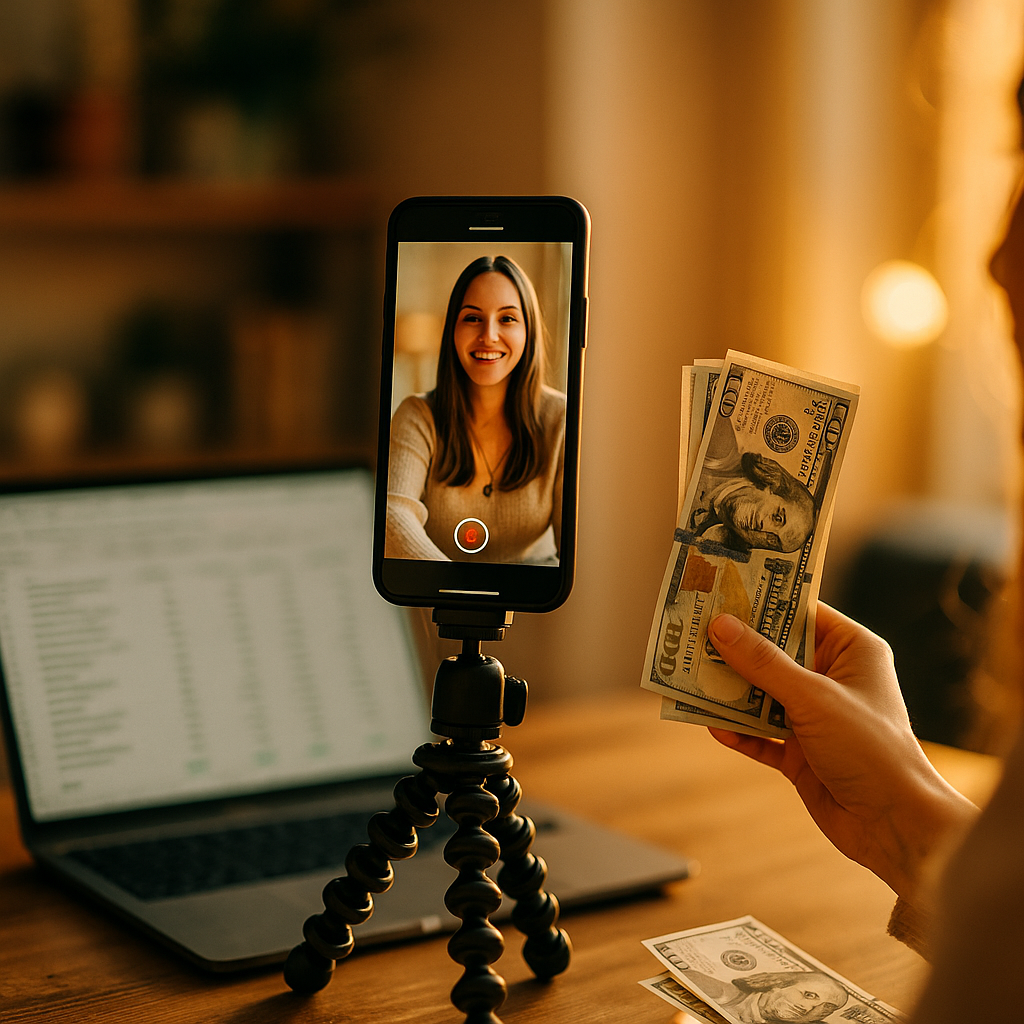
A single 30-second UGC video can cost more than a five-photo carousel, a static ad set, and a testimonial bundle combined. That’s not a pricing glitch. It’s the market telling brands something about attention, production complexity, and platform economics. If your 2026 budget planning still treats short-form video as “just another deliverable,” the rate cards say otherwise.
Short-form video has held its position as the highest-priced UGC deliverable for three straight cycles now, and the gap between video and every other format is widening, not closing. Let’s get into why, and what it means for how you allocate spend next year.
The Rate Gap, By the Numbers
Across creator marketplaces and agency rate cards, short-form video (15-60 seconds, vertical, platform-native) consistently prices 40-70% higher than static image content of comparable creator tier. A nano-creator (10K-50K followers) charging $150 for a single photo will typically quote $250-$400 for a short video. Mid-tier creators (100K-500K) show even wider spreads: $600-$900 for stills versus $1,200-$2,000 for a 30-second video with hooks, captions, and multiple cuts.
Why does this gap persist when AI editing tools have made video production faster than ever? Three forces are driving it, and none of them are going away in the next budget cycle.
- Production complexity hasn’t actually dropped as much as tooling hype suggests. Scripting, multiple takes, b-roll, voiceover or on-camera talking, captions, and platform-specific cuts (9:16 for TikTok Shop, square crops for feed, native aspect for Stories) all add hours a static photo shoot doesn’t require.
- Usage rights and whitelisting fees stack on top of base rates. A brand wanting paid social usage rights for a video typically pays 1.5-2x the organic-only rate. Photos rarely command that same multiplier.
- Video converts better, and creators know it. Data from Sprout Social and platform-reported benchmarks consistently show short-form video driving higher watch-through and click-through than static posts. Creators price to the value they deliver, not just the time they spend.
Short-form video isn’t priced higher because it’s harder to make. It’s priced higher because it’s the deliverable brands actually convert on, and creators have caught up to that reality faster than most procurement teams have.
Where the Premium Comes From: Platform Economics, Not Vanity Metrics
TikTok Shop’s forecasted growth to $23.41 billion isn’t happening on the back of static images. It’s short-form video, product demos, and unboxing clips driving that GMV. Beauty brands, in particular, have seen this play out directly: the TikTok Shop beauty sales surge tracks almost entirely to video-first discovery, not photo posts.
When a deliverable format is directly tied to revenue attribution, pricing follows. Brands aren’t just paying for content anymore, they’re paying for a proven conversion mechanism. That’s a fundamentally different budget line than “influencer content” used to be five years ago.
There’s also a scarcity dynamic at play. Creators who are genuinely skilled at short-form storytelling, hook-writing, pacing, and native platform editing are a smaller pool than creators who can shoot a decent photo. Supply and demand does the rest. This mirrors what’s happening industry-wide as brands increasingly buy influencers like media rather than treating creator relationships as one-off gigs.
Is video always worth the premium?
Not automatically. A badly briefed video with weak hooks and generic messaging can underperform a well-shot static photo with sharp copy. The premium is justified when the deliverable is built for the platform it’ll run on, not when it’s a repurposed TV-style ad squeezed into a vertical frame.
This is where a lot of budgets leak. Teams pay video rates but brief like it’s a photo shoot, no hook direction, no platform-specific pacing notes, no clarity on whether the creator should talk to camera or use text overlays. The result is content that costs 60% more than a photo and performs about the same. That’s not a video pricing problem. That’s a briefing problem.
What’s Actually Driving Rates Up Heading Into Next Year
A few structural shifts are pushing short-form video rates higher still for 2026 planning cycles:
- Creator migration and platform fragmentation. As top creators exit TikTok at double the previous rate and others shift toward Instagram Reels, brands now often need separate video cuts optimized per platform rather than one asset repurposed everywhere. That’s more deliverables, not fewer.
- Whitelisting and paid amplification demand. Brands running Meta Advantage+ campaigns or TikTok Spark Ads want usage rights baked in from day one, and creators charge accordingly.
- AI-generated alternatives haven’t undercut pricing the way many expected. Synthetic creators and AI avatars are gaining ground for certain use cases, but the trust-efficiency tradeoff means brands still pay a premium for human-shot, authentic-feeling video, especially in categories like beauty, wellness, and finance where trust drives conversion.
There’s a counterargument worth noting. Some brands have gone the opposite direction entirely, cutting influencer spend to near zero and reallocating toward owned content or performance channels, as detailed in the case of one brand’s budget-to-zero experiment. That’s a valid strategy for some categories. But for brands staying in the creator content game, video’s price floor keeps rising, not falling.
How much of my 2026 budget should go to video?
Most agencies planning for the year ahead are recommending 55-65% of UGC content spend go toward short-form video, up from roughly 45-50% two years ago. That shift reflects both platform algorithm preferences (TikTok, Reels, and Shorts all favor video in distribution) and the harder ROI data now available through engagement-weighted algorithm signals rather than raw follower counts.
Budgeting Smart: Where to Negotiate and Where Not To
Here’s the practical part. If video rates aren’t dropping, where can brands actually find efficiency without sacrificing quality?
- Negotiate usage terms, not base rates. A creator’s base video rate reflects real production time. But usage windows (30 days vs. 12 months), whitelisting scope, and exclusivity clauses are all negotiable levers that affect total cost far more than shaving a few dollars off the base fee.
- Bundle formats strategically. Many creators will discount a photo-plus-video package versus booking each separately, sometimes by 15-20%. If you need both anyway, ask for the bundle rate upfront.
- Use testing frequency as a budget filter, not volume for volume’s sake. Agencies are increasingly treating testing frequency as a core KPI, running smaller video batches faster rather than committing to large one-off shoots. This reduces risk on any single expensive asset underperforming.
- Don’t underpay for talking-head simplicity. A creator talking straight to camera looks “simple,” but scripting, multiple takes, and editing for pacing still take real time. Undervaluing this format is a common budgeting mistake that damages long-term creator relationships.
It’s also worth building rate benchmarking into your vendor selection process rather than negotiating blind. The broader influencer platform market forecast shows consolidation among tools that offer rate transparency and analytics, which gives buyers more leverage than they had even a year ago. Platforms built around conversion data rather than reach tend to surface more accurate video ROI figures, which strengthens your negotiating position considerably.
Compliance and Risk: The Line Item Nobody Budgets For
One more cost brands routinely underestimate: disclosure and compliance review. The FTC’s endorsement guidelines apply just as strictly to short-form video as any other format, and video’s multi-cut, multi-platform nature means more assets to review for compliant disclosure placement. Budget time (and sometimes a compliance consultant fee) for this, particularly if you’re running paid amplification across multiple markets subject to different rules, similar to the regional complexity flagged in sovereign AI regulation splits.
Skipping this step doesn’t just risk fines. It risks the creator relationship and brand reputation if a disclosure gets flagged publicly. Build the review cost into your video line item from the start rather than treating it as an afterthought.
Next Step
Stop budgeting video and photo UGC at the same rate assumption; the data shows a persistent 40-70% premium for short-form video that reflects real production complexity and proven conversion value. Build your 2026 creator budget around that gap, not against it, and negotiate usage terms rather than base rates to find real savings.
FAQs
Why is short-form video priced higher than photo UGC?
Short-form video requires more production time (scripting, multiple takes, editing, platform-specific cuts) and typically carries higher usage rights fees for paid amplification. It also converts better on platforms like TikTok and Instagram Reels, so creators price it closer to its actual business value rather than just time spent.
What’s a reasonable rate range for short-form video UGC?
Nano-creators (10K-50K followers) typically charge $250-$400 per video, while mid-tier creators (100K-500K) range from $1,200-$2,000 depending on usage rights and platform. Rates shift significantly based on whether whitelisting or paid social usage is included.
Should brands negotiate video rates down for 2026 budgets?
Negotiating base rates aggressively often damages creator relationships without meaningful savings. Better leverage comes from negotiating usage windows, bundling photo and video deliverables, and using testing-frequency models to reduce risk on any single expensive asset.
Are AI-generated or synthetic creators cheaper alternatives to short-form video UGC?
Synthetic creators can lower costs for certain use cases, but they come with a trust-efficiency tradeoff. Categories like beauty, wellness, and finance still see stronger conversion from human-shot video, so brands haven’t been able to fully substitute synthetic content without a performance hit.
How much of a UGC budget should go toward short-form video next year?
Most agencies recommend allocating 55-65% of total UGC spend to short-form video, reflecting both platform algorithm preferences and stronger ROI data compared to static formats.
Top Influencer Marketing Agencies
The leading agencies shaping influencer marketing in 2026
Agencies ranked by campaign performance, client diversity, platform expertise, proven ROI, industry recognition, and client satisfaction. Assessed through verified case studies, reviews, and industry consultations.
Moburst

-
2

The Shelf
Boutique Beauty & Lifestyle Influencer AgencyA data-driven boutique agency specializing exclusively in beauty, wellness, and lifestyle influencer campaigns on Instagram and TikTok. Best for brands already focused on the beauty/personal care space that need curated, aesthetic-driven content.Clients: Pepsi, The Honest Company, Hims, Elf Cosmetics, Pure LeafVisit The Shelf → -
3

Audiencly
Niche Gaming & Esports Influencer AgencyA specialized agency focused exclusively on gaming and esports creators on YouTube, Twitch, and TikTok. Ideal if your campaign is 100% gaming-focused — from game launches to hardware and esports events.Clients: Epic Games, NordVPN, Ubisoft, Wargaming, Tencent GamesVisit Audiencly → -
4

Viral Nation
Global Influencer Marketing & Talent AgencyA dual talent management and marketing agency with proprietary brand safety tools and a global creator network spanning nano-influencers to celebrities across all major platforms.Clients: Meta, Activision Blizzard, Energizer, Aston Martin, WalmartVisit Viral Nation → -
5

The Influencer Marketing Factory
TikTok, Instagram & YouTube CampaignsA full-service agency with strong TikTok expertise, offering end-to-end campaign management from influencer discovery through performance reporting with a focus on platform-native content.Clients: Google, Snapchat, Universal Music, Bumble, YelpVisit TIMF → -
6

NeoReach
Enterprise Analytics & Influencer CampaignsAn enterprise-focused agency combining managed campaigns with a powerful self-service data platform for influencer search, audience analytics, and attribution modeling.Clients: Amazon, Airbnb, Netflix, Honda, The New York TimesVisit NeoReach → -
7

Ubiquitous
Creator-First Marketing PlatformA tech-driven platform combining self-service tools with managed campaign options, emphasizing speed and scalability for brands managing multiple influencer relationships.Clients: Lyft, Disney, Target, American Eagle, NetflixVisit Ubiquitous → -
8

Obviously
Scalable Enterprise Influencer CampaignsA tech-enabled agency built for high-volume campaigns, coordinating hundreds of creators simultaneously with end-to-end logistics, content rights management, and product seeding.Clients: Google, Ulta Beauty, Converse, AmazonVisit Obviously →